Anti-Rust by Design
304 stainless steel frame and metal accessories for wet & wash-down environments.
Hygiene-Friendly
Easy-to-clean surfaces for food processing lines and hospital clean-up carts.
Long Service Life
Wear-resistant caster focus to reduce replacement frequency and total cost.
Common Buyer Problems
- Rust after short-term use in wet or salty environments (e.g., tuna processing)
- Frequent replacement increases maintenance cost and downtime
- Wheel wear under heavy, continuous movement on factory floors
- Hygiene compliance and cleaning requirements in hospitals and food plants
These problems are usually caused by incorrect caster selection or unsuitable materials—not “normal wear”.
Our Stainless Steel Caster Solution
- 304 stainless steel for all metal parts to resist corrosion
- Designed for wash-down, humidity, and chemical-cleaning conditions
- Wear-resistant approach to extend service life
- Custom options for mounting, wheel material, and brake requirements
Applications: Food Processing & Hospital Environments
Tuna Fish / Seafood Processing Trolleys
Ideal for wet areas, frequent wash-down, and salty conditions where anti-rust is essential.
Food & Beverage Processing Lines
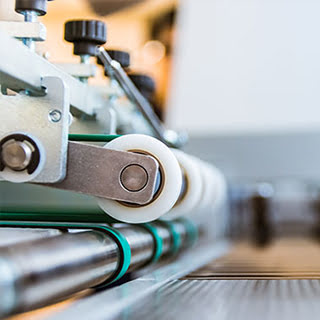
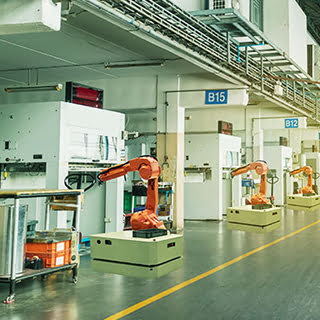
Supports daily sanitation routines and continuous movement in production environments.
Hospital Clean-up Carts
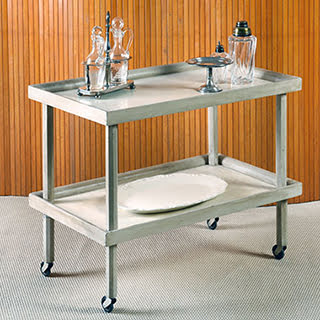
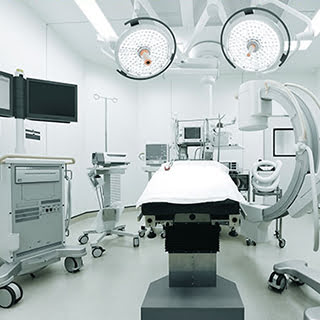
Hygienic and reliable mobility for cleaning and equipment carts in healthcare facilities.
Target markets: USA, Canada, Germany, UK, Saudi Arabia, and South-East Asia.
How to Choose the Right Stainless Steel Casters
Load Capacity
Consider both static and dynamic load. Share maximum load per trolley and operating frequency.
Wheel Material
Different floors and cleaning chemicals require different wheel materials. We recommend based on your environment.
Mounting & Brakes
Plate or stem mounting, swivel design, and brake type should match safety and workflow needs.
Why Buyers Choose Us
We are a factory-direct manufacturer specializing in wear-resistant casters. Our goal is not “lowest price”—it is stable performance and fewer problems after installation.
Factory Direct
Clear communication, stable supply, and product accountability from manufacturing source.
38 Years Experience
Proven engineering and production know-how in caster manufacturing for demanding environments.
Compliance & Quality
ROHS & ISO-based manufacturing. Documentation can be provided upon request.
304 Stainless Steel
All metal parts are made with 304 stainless steel for anti-rust performance.
Customizable
Wheel size/material, mounting type, brake options, and application-based recommendations.
Trusted by Global Brands
Cooperation experience with well-known companies such as SIEMENS and NIPPON.
ROHS
ISO
OEM/ODM Custom
Long Service Life Focus
Anti-Rust for Wash-Down
FAQ: Stainless Steel Casters & Anti-Rust Casters
Are all metal parts made of 304 stainless steel?
Yes. Our stainless steel casters use 304 stainless steel for the caster frame and metal accessories, supporting strong anti-rust performance in wet, wash-down, and chemical-cleaning environments.
Which industries are these stainless steel casters designed for?
They are widely used for tuna fish and seafood processing trolleys, food and beverage factories, wash-down areas, and hospitals for clean-up carts—any environment requiring hygiene and corrosion resistance.
Can you customize stainless steel casters for our trolley or equipment?
Yes. We support customization based on your load capacity, wheel material, mounting type, brake requirement, and cleaning conditions. Share your trolley drawings or requirements and we will recommend suitable specifications.
Do you provide ROHS and ISO documentation?
Yes. Our production follows ISO systems and we can provide ROHS-related documentation upon request, which helps meet compliance needs in markets such as the USA, Canada, Germany, the UK, Saudi Arabia, and South-East Asia.
How do stainless steel casters reduce total cost over time?
By using wear-resistant components and corrosion-resistant 304 stainless steel, the casters deliver longer service life and reduce replacement frequency—lowering downtime and maintenance cost for end users.
Ready to Reduce Rust & Replacement Costs?
Share your environment (wet/salty/chemical cleaning), trolley load, wheel size preference, mounting type, and whether you need brakes. We’ll respond with recommended stainless steel caster specifications and a quotation.
Soft CTA: Technical discussion first—so you can choose the right caster and avoid repeated replacements later.