Why Many Industrial Carts Use TPU Casters
Caster Material Guide
Why TPU Casters Fit Most Industrial Use
TPU caster wheels combine durability, elasticity, and floor protection, delivering smoother, quieter, and more reliable performance in many industrial applications.
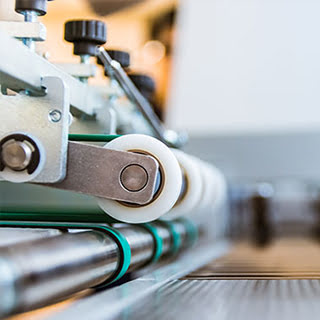
Wear Resistant
Built for frequent use and long service life.
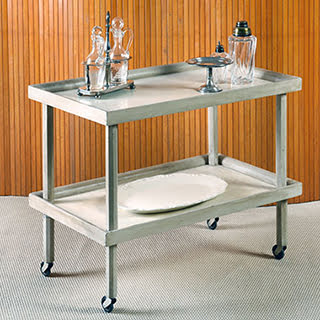
Quiet Rolling
Lower noise and vibration for better workplaces.
Balanced Choice
A practical solution for most industrial needs.
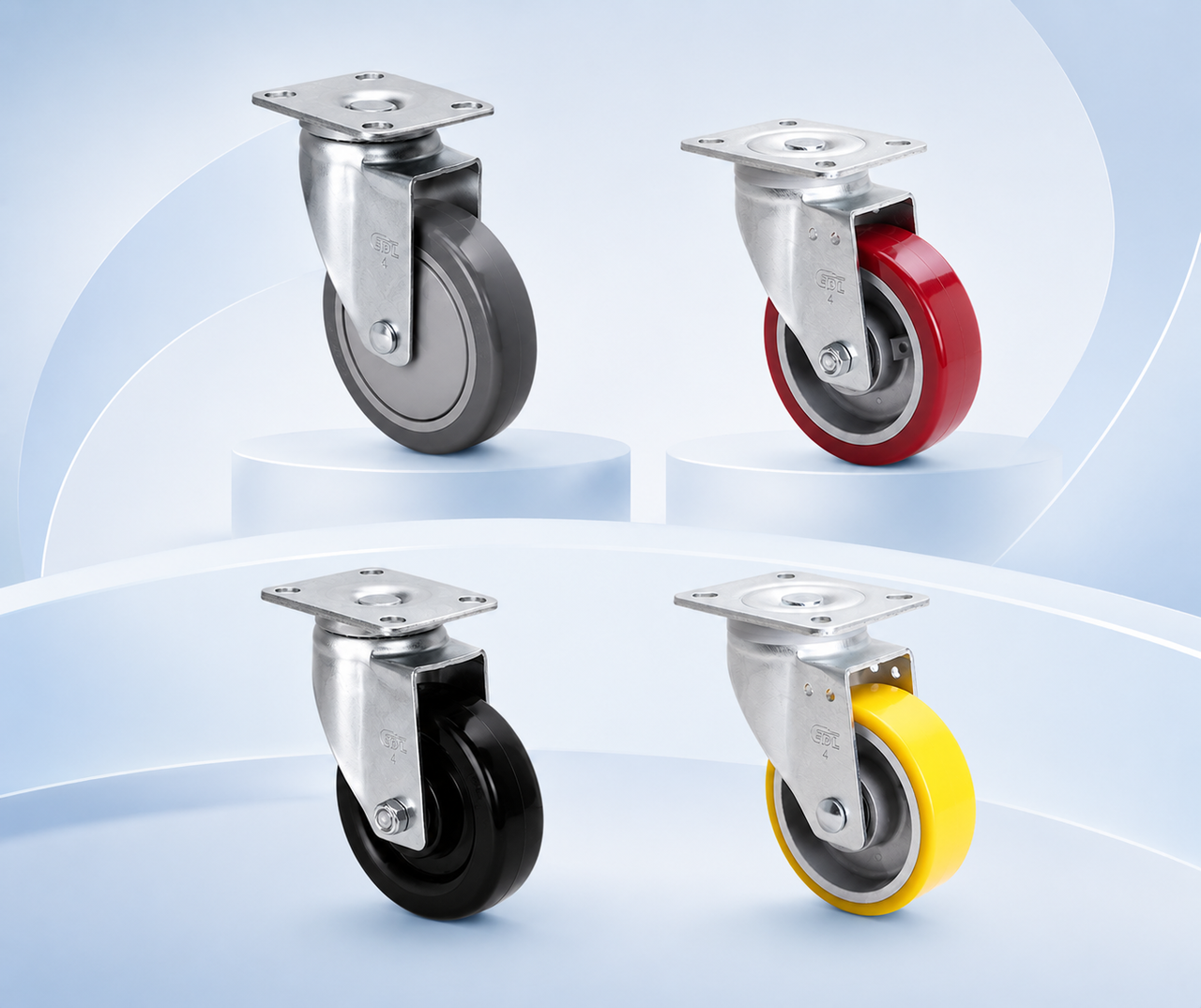
TPU Caster Selection
TPU Is a Balanced Wheel Material
In caster selection, material choice is not only about hardness or load capacity. A good caster wheel needs to balance wear resistance, noise control, floor protection, elasticity, rolling smoothness, and long-term stability.
TPU is often recommended because it sits between hard nylon and soft rubber. It is quieter and more floor-friendly than nylon, while offering better wear resistance and shape stability than many ordinary rubber wheels.
For factory carts, warehouse trolleys, equipment platforms, and mobile workstations, TPU is usually a practical starting point unless the environment requires special materials for high temperature, strong chemicals, or ESD control.
Core TPU Advantages
TPU performs well because it combines several important properties needed in real industrial use.
01
High Wear Resistance
TPU has excellent abrasion resistance, helping wheels maintain stable performance during frequent movement.
02
Strong Elasticity
TPU keeps good flexibility even at higher hardness levels, improving shock absorption and rolling comfort.
03
Oil Resistance
TPU performs well in many oily industrial environments where ordinary rubber may age faster.
04
Lower Noise
Compared with hard nylon wheels, TPU helps reduce harsh rolling noise and vibration on workshop floors.
05
Floor Protection
TPU is friendlier to epoxy floors, concrete floors, and finished indoor surfaces than many hard wheel materials.
06
Stable Performance
Quality TPU wheels provide good load support, rolling stability, and long-term durability in daily use.
01
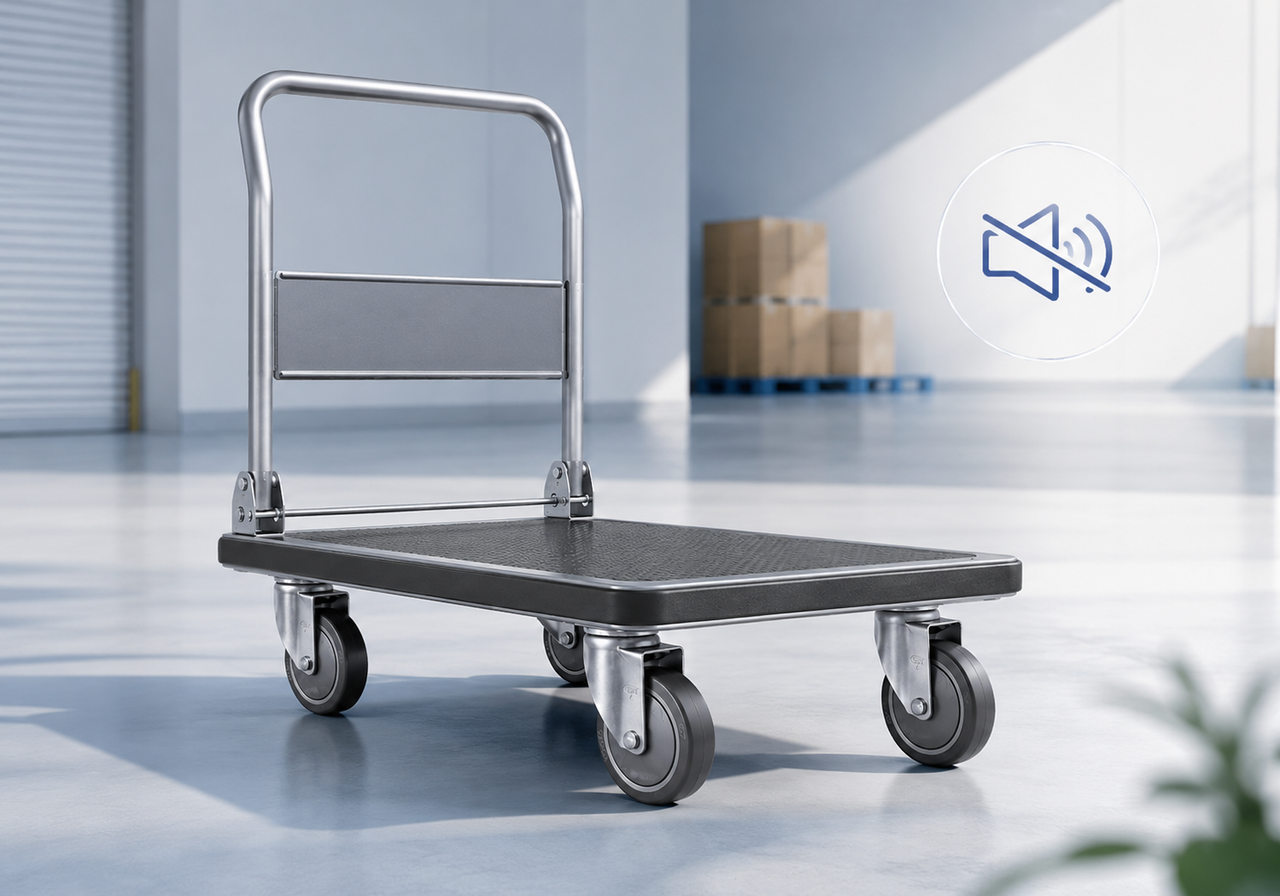
Quieter Than Hard Wheels
Nylon wheels are strong, but they are also very hard. When used on concrete floors or floor joints, they may create obvious rolling noise and vibration.
TPU wheels have better elasticity, which helps reduce harsh impact and makes carts smoother and quieter during daily movement.
02
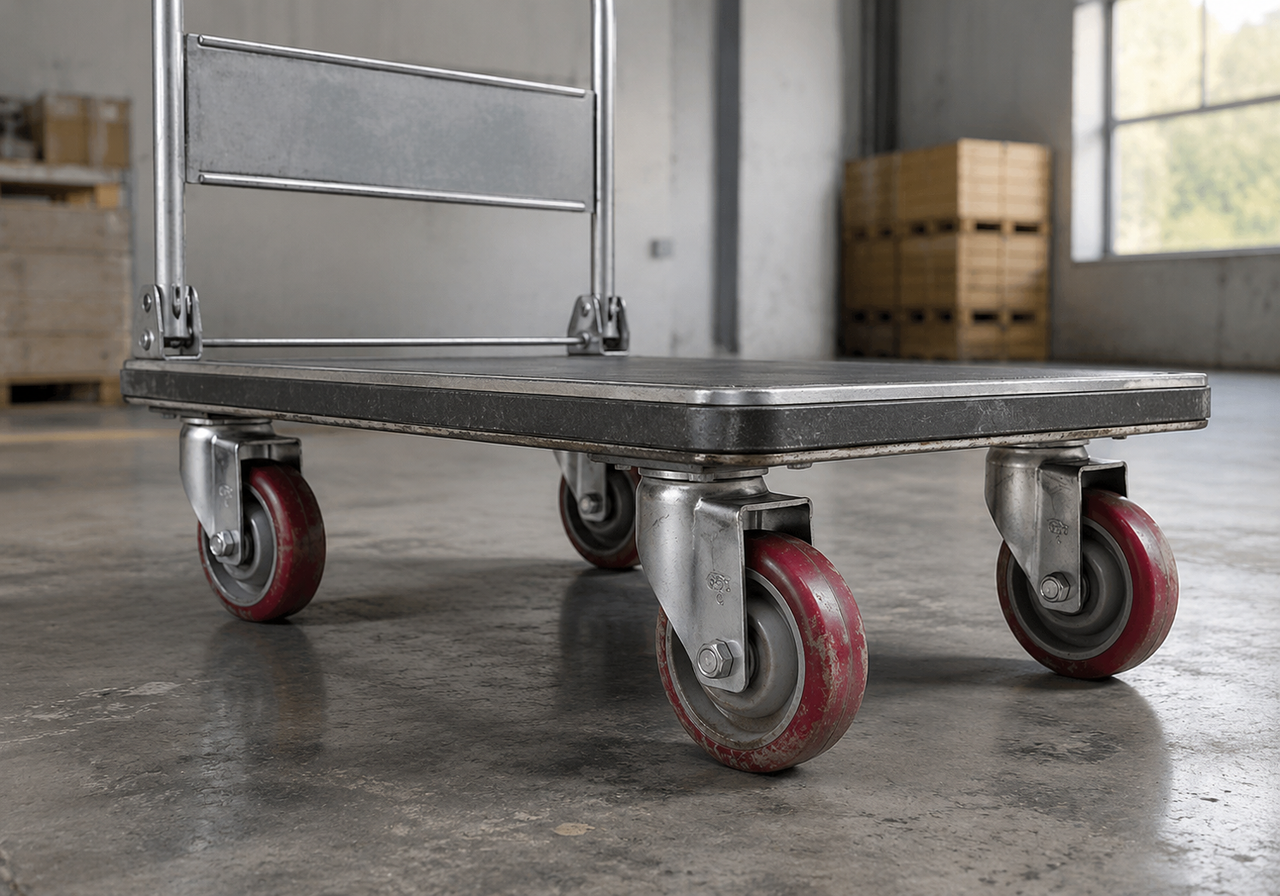
More Durable Than Rubber
Ordinary rubber wheels are quiet, but they may wear faster or deform under frequent movement, heavy loads, or rough floors.
TPU offers stronger wear resistance and better dimensional stability, making it suitable for repeated industrial transport and long service cycles.
03
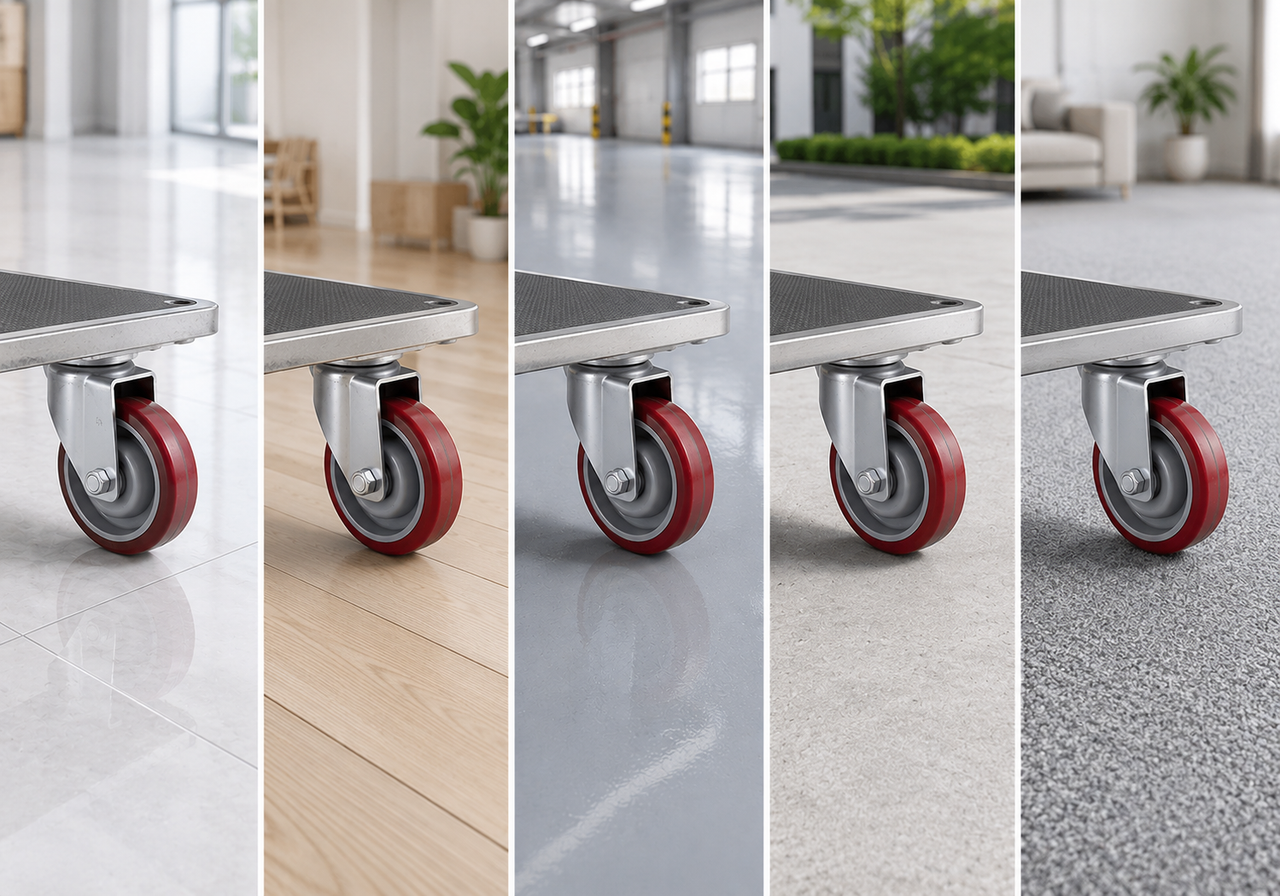
Works on Many Floors
TPU wheels can be used on epoxy floors, concrete floors, workshop floors, warehouse floors, and many indoor or semi-outdoor industrial surfaces.
This makes TPU a practical option when customers need one material that can handle different working conditions without excessive noise or fast wear.
Common TPU Applications
TPU casters are widely used where customers need durability, smooth movement, lower noise, and better floor protection.
01
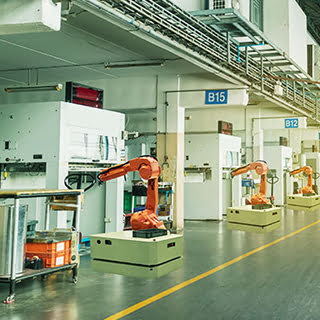
Factory Carts
Used for material handling carts, production line trolleys, and mobile work platforms.
02
Warehouse Trolleys
Suitable for logistics carts, picking carts, storage racks, and transport equipment.
03
Machine Bases
Commonly used on equipment platforms, machine frames, tool cabinets, and movable bases.
04
Workshop Equipment
Helps equipment move smoothly while reducing vibration and harsh floor impact.
05
Medical Carts
TPU can be used where low noise, smooth rolling, and clean appearance are important.
06
Food Handling
Suitable for many clean industrial areas when the full caster structure matches the environment.
Frequently Asked Questions
Common questions about TPU caster wheels and material selection.
Q1: Why are TPU casters often recommended?
Because TPU offers a balanced combination of wear resistance, elasticity, low noise, floor protection, and durability.
Q2: Are TPU wheels quieter than nylon?
Yes. Nylon wheels are harder and usually create more rolling noise. TPU helps reduce noise and vibration.
Q3: Are TPU wheels more durable than rubber?
In many industrial applications, TPU has better wear resistance and deformation resistance than ordinary rubber wheels.
Q4: Can TPU casters be used outdoors?
TPU can be used in many indoor and semi-outdoor environments, but extreme heat, strong chemicals, or ESD areas require special selection.
Need Durable TPU Casters?
EDL provides TPU caster wheels for factory carts, warehouse trolleys, equipment bases, and many industrial mobility applications.