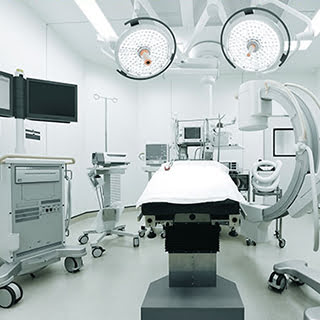
In healthcare facilities, mobility is far more than a simple convenience. It directly influences patient safety, staff efficiency, infection control, and the overall environment within hospitals, clinics, laboratories, and care centers. Equipment such as hospital beds, IV stands, medical carts, monitoring systems, and diagnostic machines must move smoothly and reliably every day. Because of this, casters are not just small accessories — they are critical functional components that support daily medical operations.
Standard casters are often unable to meet the demanding conditions found in medical environments. Healthcare applications require wheels that can meet strict hygiene standards, operate quietly, protect sensitive flooring, and allow precise movement in tight indoor spaces. When the wrong caster is used, problems such as vibration, noise, difficult handling, and maintenance issues may occur. In some situations, poorly performing casters can even create safety risks. For this reason, many medical equipment manufacturers and healthcare facilities rely on specialized medical casters designed specifically for these environments.
The Demands of Medical Environments
Medical environments place constant pressure on every moving component of equipment. Devices may be transported dozens of times each day, sometimes carrying patients, delicate instruments, medications, or emergency supplies. In these situations, smooth and stable movement becomes extremely important. Medical staff often need to guide equipment quickly through corridors, elevators, operating rooms, and crowded treatment areas. Reliable maneuverability helps ensure efficiency while reducing physical strain on healthcare workers.
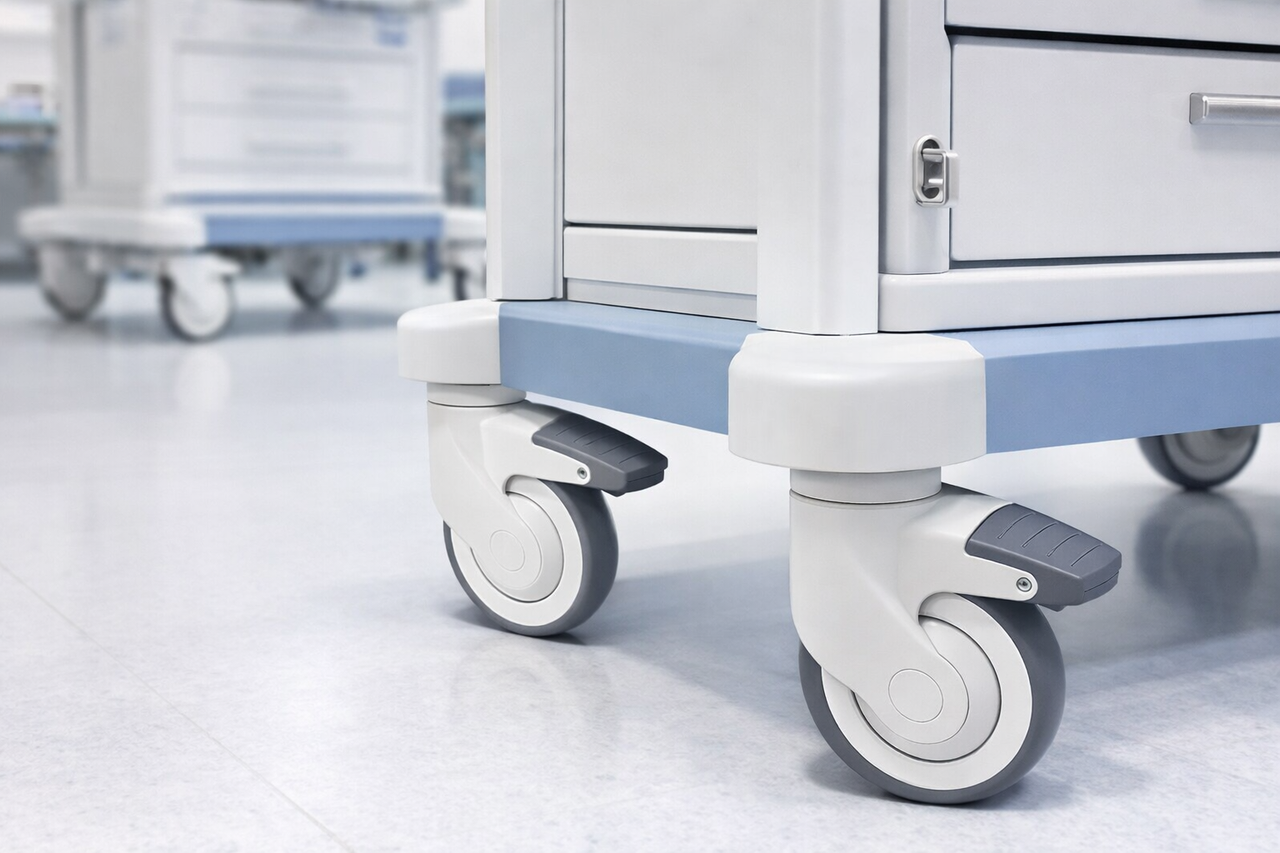
Hygiene requirements are another major factor. Casters used in hospitals are frequently exposed to disinfectants, cleaning chemicals, and repeated washing. Materials that corrode easily or structures that trap dirt and debris can quickly become maintenance problems. Medical casters are therefore commonly designed with corrosion-resistant materials and smoother surfaces that allow easier cleaning, helping facilities maintain strict sanitation standards.
Noise control is also important. In patient wards and recovery areas, excessive rolling noise can disturb rest and negatively affect the patient experience. Quiet casters help maintain a calm environment, especially during nighttime equipment movement. This is one reason why softer wheel materials are widely used in medical applications.
Key Features of High-Quality Medical Casters
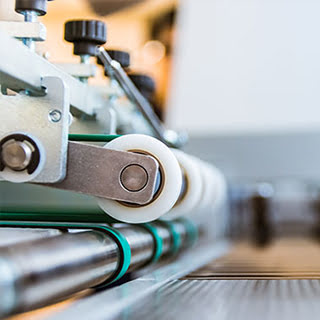
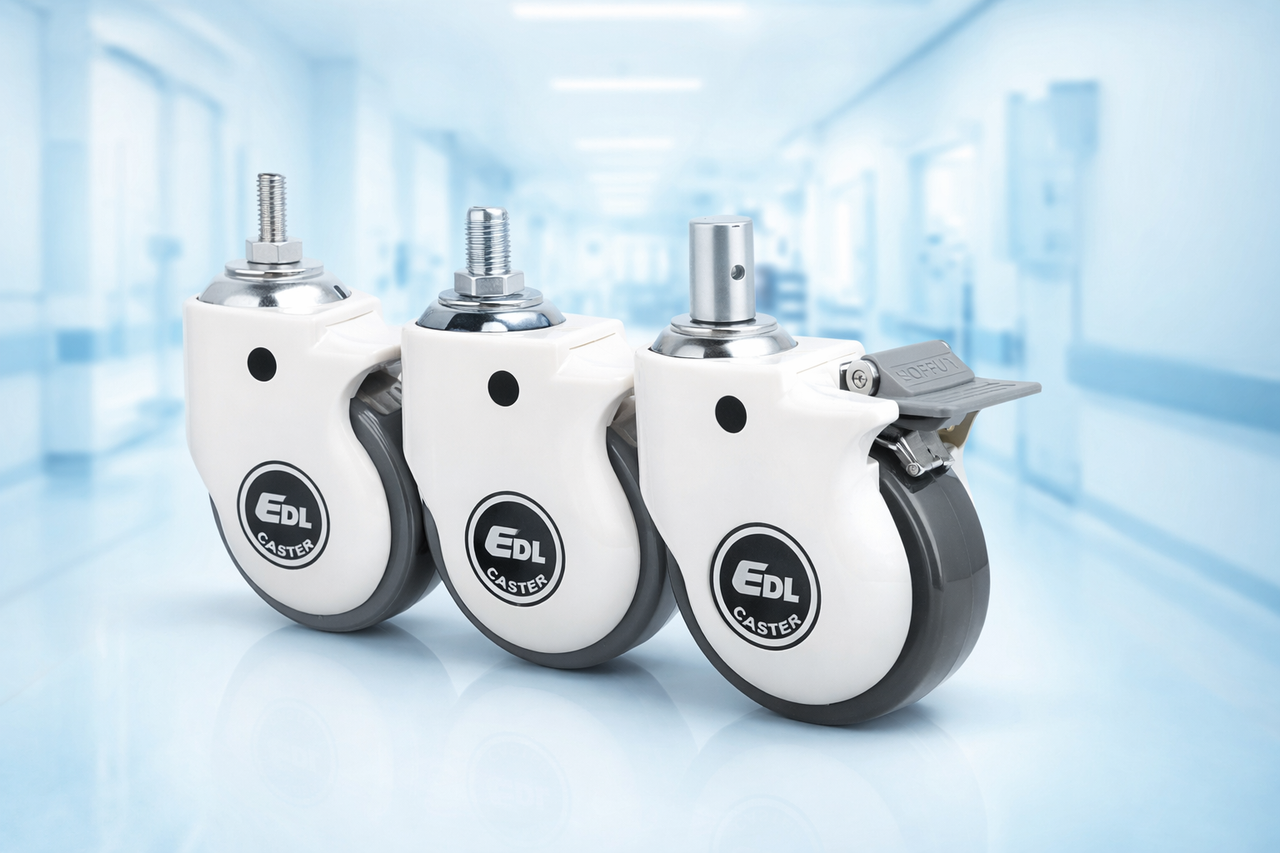
High-quality medical casters are designed to address the unique operational needs of healthcare environments. One important factor is the wheel tread material. TPE treads are commonly used because they offer quiet rolling performance, shock absorption, and smooth movement across indoor flooring. These properties help reduce vibration and improve comfort when transporting patients or sensitive equipment.
Bearing performance also plays a critical role in caster functionality. Precision bearings reduce pushing force and improve directional control. Depending on the design, medical casters may use single ball bearings or double precision ball bearings to provide smoother motion and longer service life. When equipment is moved frequently, high-quality bearings can significantly improve usability.
Many medical casters also include protective covers or housings. ABS shrouds create a cleaner appearance that matches modern medical equipment design while also protecting internal components from dust, hair, and debris. These covers can also simplify cleaning and help maintain hygiene standards in healthcare facilities.
Reliable braking systems are equally essential. Medical equipment such as beds, carts, and mobile devices must remain stable when parked. Effective locking mechanisms prevent unexpected movement during treatment or patient transfer, which helps improve overall safety.
Practical Benefits for Hospitals and Equipment Manufacturers
Choosing the right medical caster can provide multiple operational benefits. Quiet and smooth rolling supports a more comfortable environment for patients and reduces noise levels throughout healthcare facilities. This becomes particularly important in wards, rehabilitation areas, and long-term care environments.
Easy maneuverability also improves workflow efficiency for medical staff. When equipment can be moved with less effort and greater control, nurses and technicians can perform their tasks more efficiently while reducing physical strain. This is especially valuable in busy hospitals where equipment must be moved frequently throughout the day.
Durability is another important advantage. High-quality casters reduce the frequency of replacement and maintenance, which helps lower long-term operational costs. Reliable mobility components also reduce downtime caused by equipment issues.
For medical equipment manufacturers, well-designed casters can also enhance the overall perception of product quality. Quiet operation, smooth movement, and clean design details contribute to a professional appearance and improved user experience.
Where Medical Casters Are Commonly Used
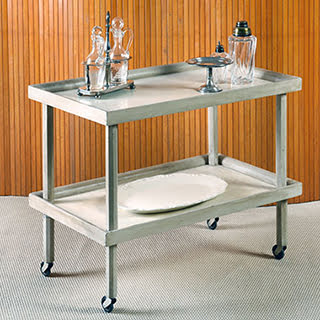
Medical casters are widely used in many types of healthcare equipment, including hospital beds, stretchers, patient transport chairs, IV stands, treatment carts, ultrasound machines, monitoring devices, laboratory equipment, and mobile storage units. Each application has different priorities, but all require a combination of smooth mobility, stability, and easy maintenance.
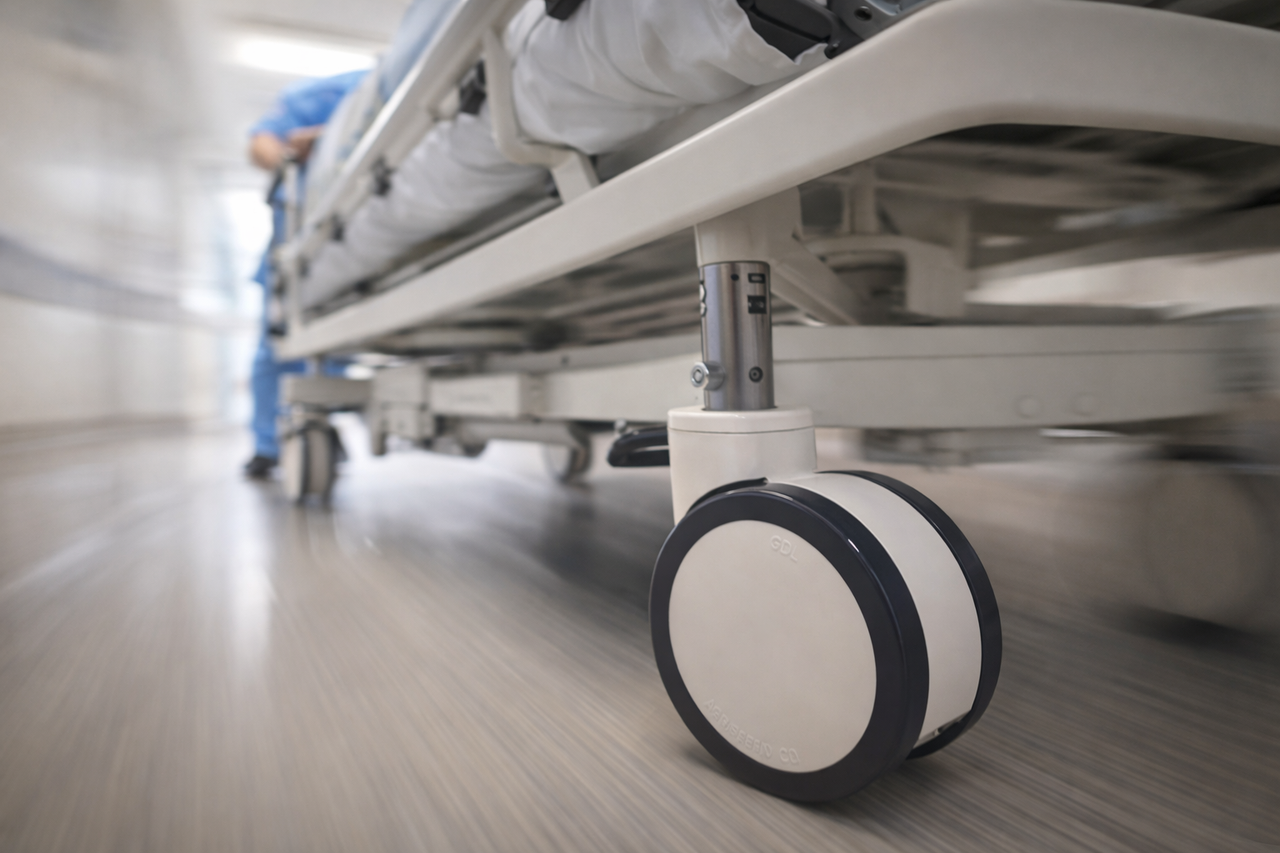
For example, patient beds typically require reliable braking systems and smooth rolling performance, while utility carts may prioritize maneuverability and quiet operation. Diagnostic equipment often needs stable movement with minimal vibration to protect sensitive instruments. Selecting the appropriate caster requires understanding the real working conditions of the equipment.
Choosing the Right Solution
When selecting medical casters, it is important to consider more than just load capacity. Factors such as wheel material, bearing structure, braking system, corrosion resistance, cleaning compatibility, and floor protection should all be evaluated. The right caster should match both the equipment design and the environment where it will be used.
If you are comparing different options, you may want to review EDL medical casters. These resources can help you better understand how different caster designs perform under various working conditions.
Conclusion
In healthcare environments, caster performance plays a significant role in safety, hygiene, efficiency, and equipment reliability. Choosing specialized medical casters designed for these conditions helps ensure smoother movement, quieter operation, and better durability over time.
With features such as quiet TPE wheels, precision bearings, easy-to-clean covers, corrosion-resistant materials, and reliable locking systems, EDL medical casters are built to meet the demanding requirements of hospitals, clinics, and laboratories. The right caster solution ultimately helps create a safer and more efficient healthcare environment.