How to Maintain Caster Wheels for Longer Service Life
Caster Maintenance Guide
How to Maintain Caster Wheels for Longer Service Life
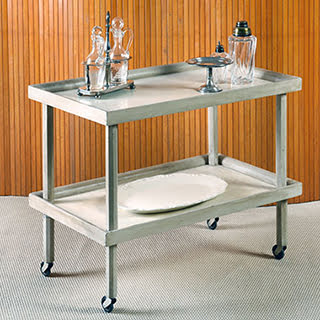
Caster wheel life is not decided only by product quality. Installation, daily use, floor conditions, brake checks, and storage methods can all affect how long a caster performs well.
With a few basic maintenance habits, customers can reduce unnecessary wear, avoid early failure, and keep equipment moving smoothly for longer.
Caster Maintenance Starts After Delivery
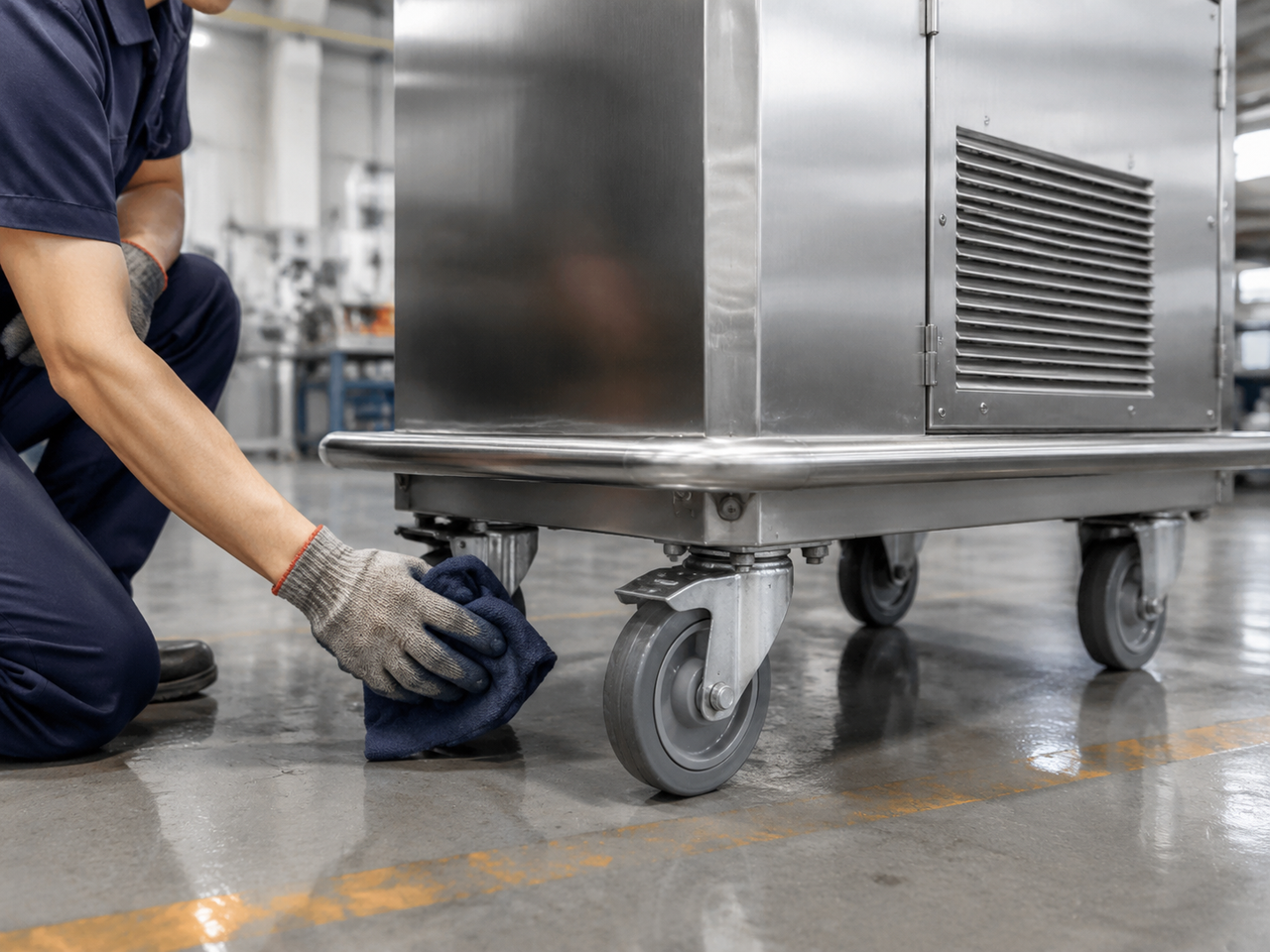
When customers purchase caster wheels, they usually focus on load capacity, wheel material, mounting height, and bracket structure. These specifications are important, but they are not the only factors that determine service life.
After the casters are installed on equipment, the way they are used, checked, cleaned, and stored can also affect long-term performance. A qualified caster may still wear out earlier if it is overloaded for a long time, used on a dirty floor, exposed to impact during braking, or stored in a humid warehouse before installation.
The maintenance logic is simple: install correctly, keep the wheel area clean, check key functions regularly, and store spare casters properly.
Before Use: Check Installation and Movement
Some customers install and use caster wheels immediately after receiving them. In this case, a quick inspection before installation is always recommended.
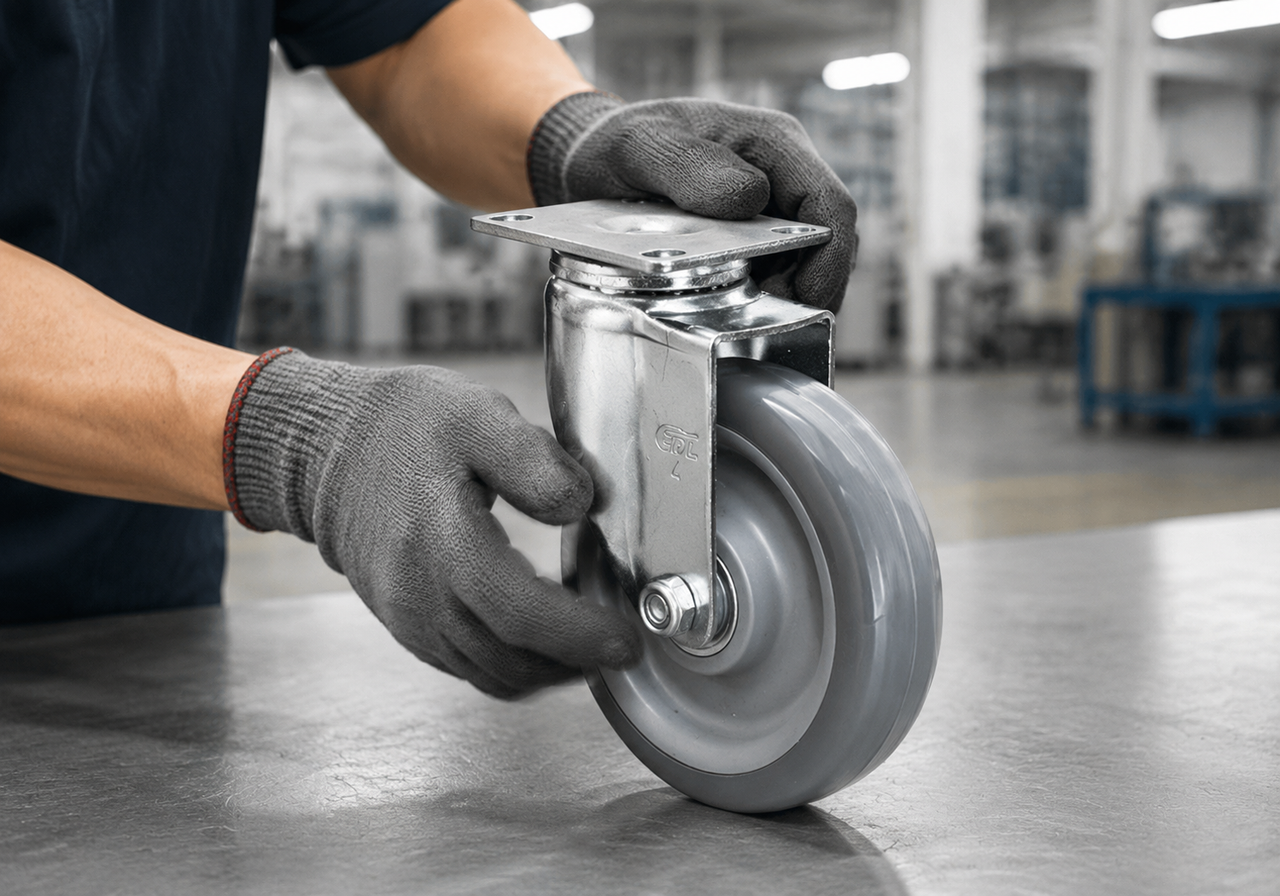
First, check whether the wheel rotates smoothly. A normal wheel should not have obvious jamming, abnormal friction noise, or side-to-side looseness during free rotation.
For swivel casters, the bracket should rotate smoothly without sticking, wobbling, or excessive resistance. For brake casters, the brake should lock and release properly.
It is also important to confirm that the mounting holes, bolts, and equipment base match correctly. If the mounting surface is uneven or the bolts are not tightened, the caster may receive extra impact during use, which can cause bracket loosening or unstable steering over time.
During Use: Focus on the Common Failure Points
For frequently used carts, trolleys, and mobile equipment, most caster problems start from a few simple areas.
✓
Wheel Area
Remove packing straps, threads, plastic film, metal chips, or other objects wrapped around the wheel or bearing area.
✓
Brake Function
Check whether the brake locks and releases smoothly. The wheel should not continue to rotate obviously after locking.
✓
Load and Impact
Avoid long-term overloading and forced dragging. Thresholds, joints, potholes, and slopes can increase impact load.
If Casters Are Stored as Spare Parts
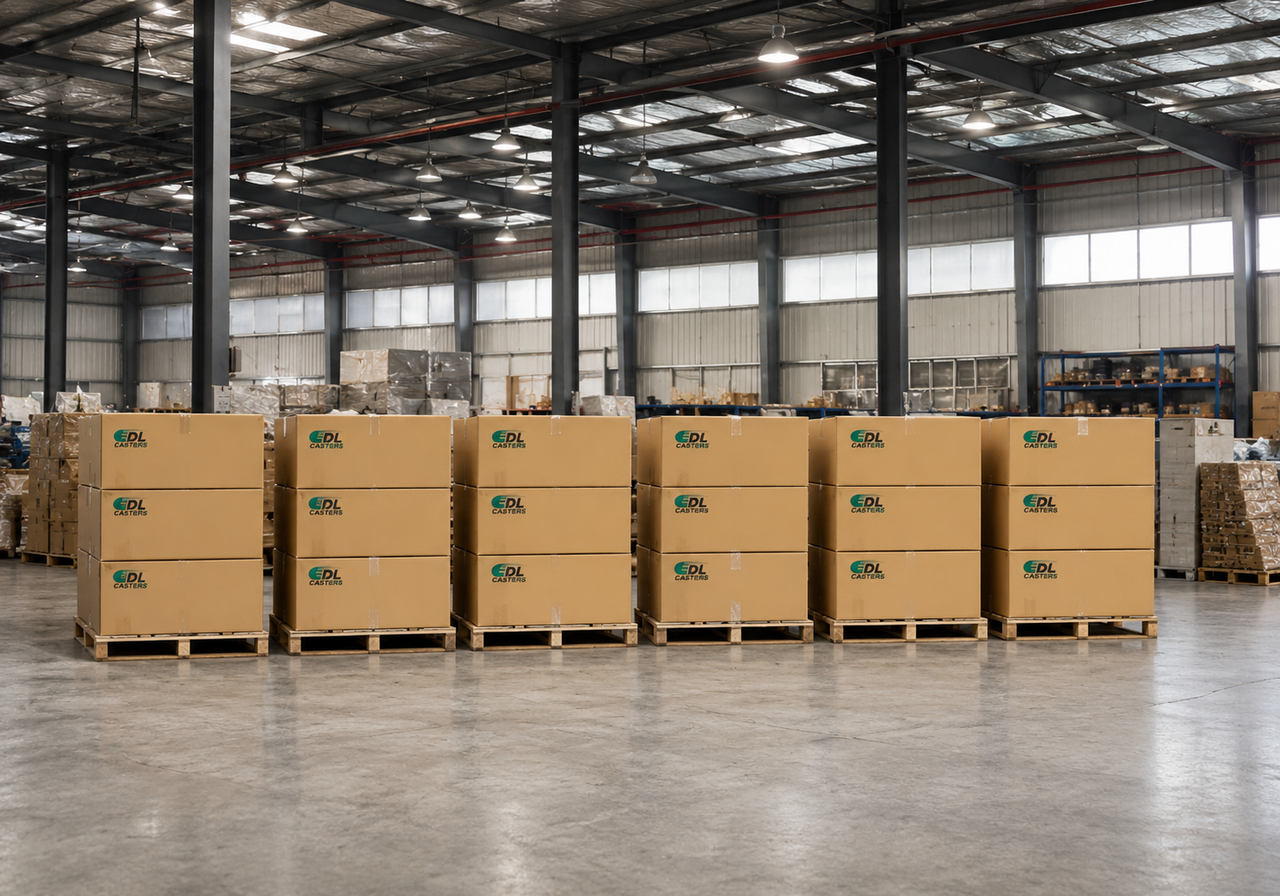
Some customers do not install casters immediately after purchase. Instead, they keep them as spare parts in the warehouse. In this case, the storage environment is very important.
Caster wheels do not remain unchanged simply because they are not being used. Elastic materials such as PU and rubber can naturally age during long-term storage, especially in humid, hot, sunny, or poorly ventilated environments.
Some PU wheels may experience hydrolysis or oxidation if they stay in a humid environment for a long time. The surface may gradually turn white, become powdery, or lose part of its original hardness and elasticity.
If casters are not used immediately, they should be stored in a cool, dry, and ventilated place. Avoid direct sunlight, water vapor, oil stains, acid or alkaline cleaners, and other chemicals. If cartons are stored for a long time, it is also better to keep them off damp floors by using pallets.
Material Care Tips
Nylon Wheels
Keep the floor clean and check rolling noise. Nylon wheels are wear-resistant, but they are harder and less quiet on sensitive floors.
PU Wheels
Avoid long-term humidity and poor storage conditions. PU wheels may naturally age, turn white, or become powdery if stored improperly.
Rubber Wheels
Avoid long-term contact with oil, chemicals, or high temperature. These conditions may reduce elasticity and affect quiet rolling.
Stainless Steel
Clean the surface regularly in wet or washing environments. Good cleaning habits help maintain appearance and hygiene.
Build a Simple Inspection Habit
Wheel Condition
Check whether the wheel is seriously worn.
Check whether the wheel rotates smoothly.
Remove objects wrapped around the wheel.
Bracket and Mounting
Check whether the bracket is loose.
Check whether the mounting bolts are tight.
Look for abnormal wobbling during movement.
Brake and Safety
Check whether the brake locks properly.
Check whether the brake releases smoothly.
Replace worn brake parts when needed.
If these problems are found early, larger maintenance costs can often be avoided. This is especially important for factory carts, logistics trolleys, medical equipment, food processing equipment, and other mobile equipment used at high frequency.
Conclusion
The service life of a caster wheel depends not only on product quality, but also on how it is installed, used, checked, and stored after delivery.
If the caster is installed immediately, customers should confirm wheel rotation, swivel movement, brake function, and mounting structure before use. If the caster is stored as a spare part, it should be kept in a cool, dry, and ventilated environment away from moisture, direct sunlight, oil, and chemicals.
For PU, rubber, and other elastic materials, long-term storage can also lead to natural aging if the environment is not suitable. A good caster, combined with correct use and basic maintenance, can deliver more stable, durable, and efficient performance in real applications.
Need Help Choosing or Maintaining Casters?
Contact EDL and tell us your equipment type, load requirement, working environment, and storage condition. Our team can recommend suitable caster solutions and basic maintenance suggestions.