When Should You Use Leveling Casters ?
Leveling Caster Guide
When Should You Use Leveling Casters?
Leveling casters are used when equipment needs to move during installation, stay fixed during operation, and remain level even when the floor is not perfectly flat.
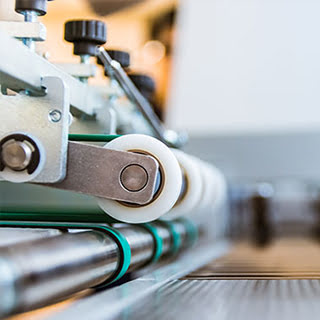
Move
Position equipment without lifting.
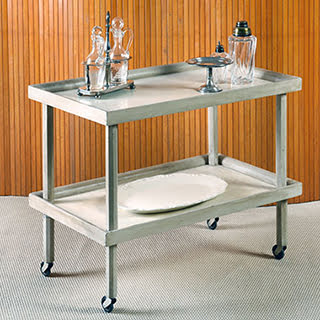
Fix
Keep equipment stable during operation.
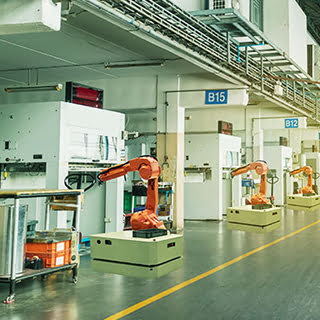
Level
Adjust height on uneven floors.
Standard Casters and Leveling Feet Are Not Always Enough
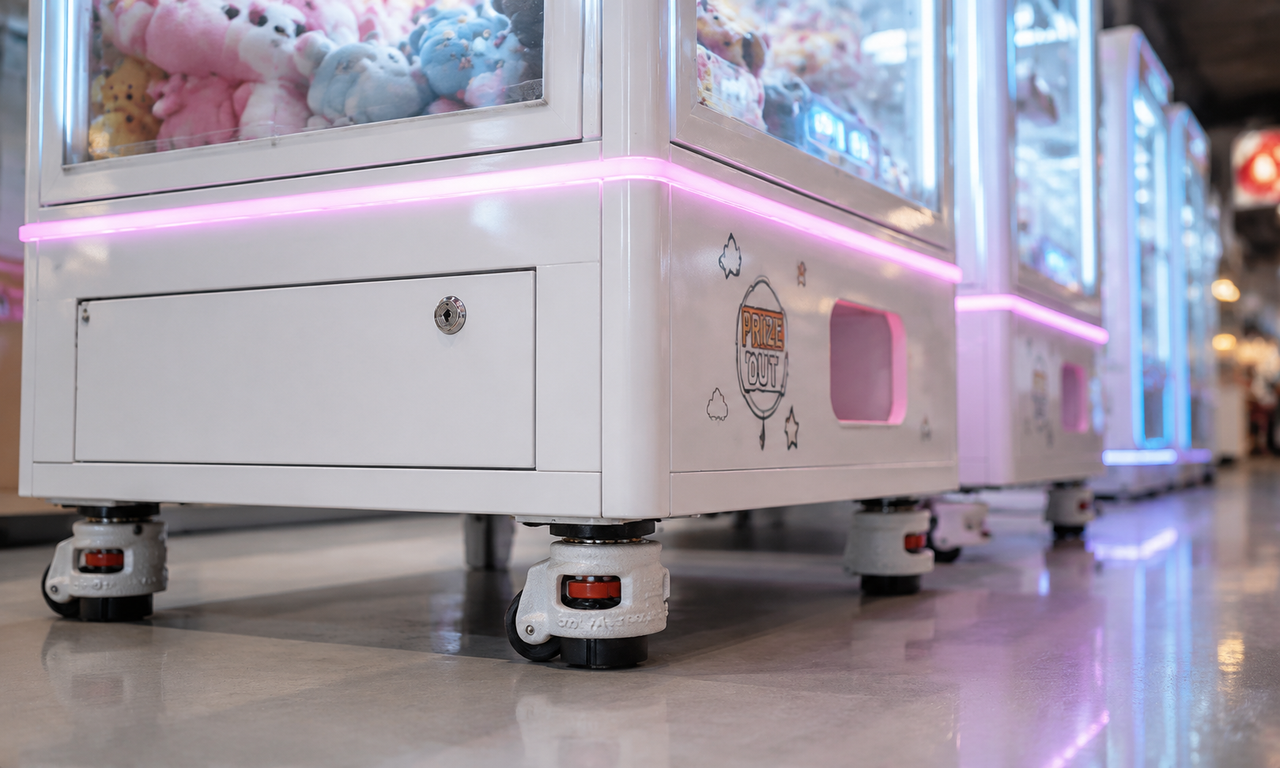
Many industrial machines need to be moved during installation, adjustment, cleaning, or maintenance. Standard casters make movement easy, but they may not provide enough stability once the machine starts working. On the other hand, leveling feet can keep equipment stable, but they make repositioning difficult.
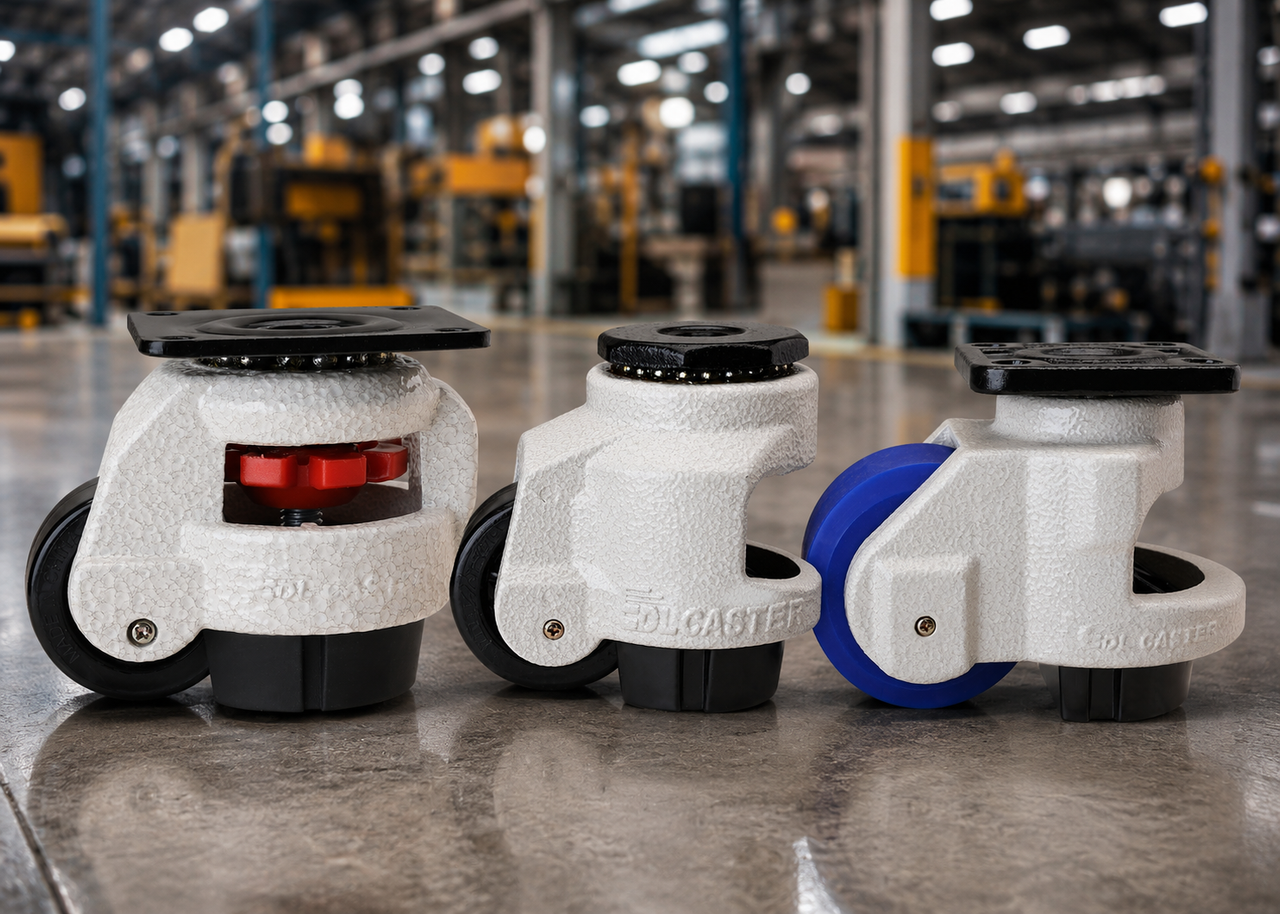
Leveling casters solve this conflict by combining both functions in one product. They allow the equipment to move when needed, and then become stable again when the leveling foot is lowered.
01
Move When Needed, Stay Fixed When Required
The first reason to use leveling casters is simple: the same equipment may need two different states. During installation or maintenance, the machine must be easy to move. During operation, it must stay firmly in place.
When the leveling foot is raised, the wheel supports the equipment and allows it to move. When the foot is lowered, the foot pad contacts the floor and transfers the load away from the wheel, helping the equipment remain stable.
This is especially useful for machines that are not moved every day, but still need to be repositioned when production layouts change, when cleaning is required, or when maintenance access is needed.
02
Level Equipment on Uneven Floors
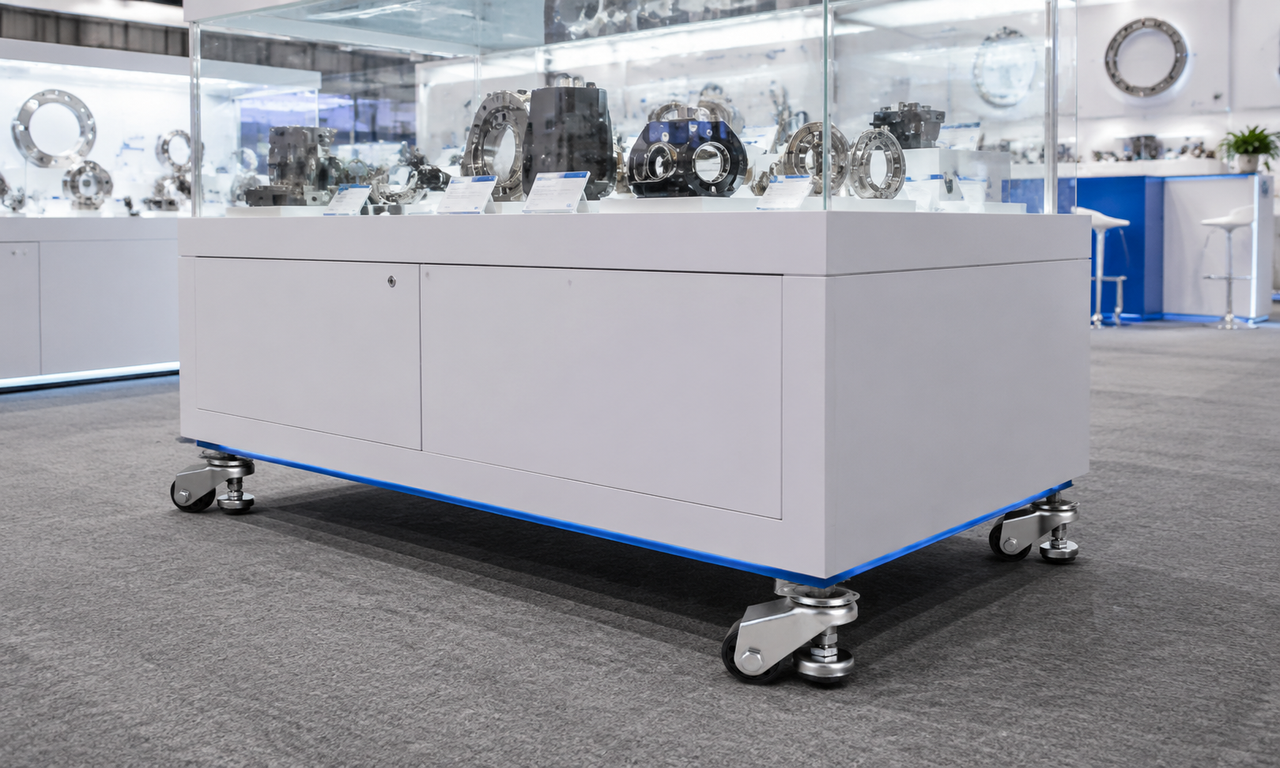
The second reason is leveling. In many factories, the floor may look flat, but small height differences still exist. For ordinary carts, this may not matter. For automation equipment, inspection machines, laboratory devices, or packaging systems, even a small difference between corners can cause shaking or unstable operation.
With a leveling caster, each corner of the equipment can be adjusted separately. By raising or lowering the foot pad, the machine can be brought back to a more stable and level position without adding separate leveling feet.
This makes leveling casters useful not only for movement, but also for installation accuracy and long-term equipment stability.
When Leveling Casters Are a Better Choice
Leveling casters are most suitable for equipment that needs occasional movement, accurate positioning, and stable support after installation. The value is not only in the wheel, but in the combination of movement, fixing, and leveling.
Packaging Machines
Packaging equipment often needs to be moved during layout changes, but must remain stable during production.
Inspection Equipment
Inspection machines may require accurate leveling to reduce vibration and improve operating consistency.
Laboratory Devices
Laboratory equipment often needs both easy repositioning and stable support after placement.
Automation Systems
Automation equipment usually requires stable operation after installation while keeping flexibility for future adjustment.
Food Processing Equipment
Equipment may need to be moved for cleaning, then fixed again for safe and stable operation.
Medical Equipment
Some medical devices require controlled movement and reliable positioning in daily use.
What Should You Check Before Buying?
Choosing a leveling caster is not only about the wheel size. To make the equipment move smoothly, stay stable, and level correctly, these key details should be checked before selection.
Equipment Weight
Check the total equipment weight and divide it by the number of casters. The selected caster should provide enough safety margin for both moving and fixed conditions.
Mounting Method
Confirm whether the equipment uses plate mounting, threaded mounting, or another installation structure. The mounting size should match the original equipment design.
Leveling Range
The available installation height and required adjustment range should be checked in advance, especially when the equipment needs accurate leveling after installation.
Floor Condition
Epoxy floors, concrete floors, tile floors, and anti-static floors may require different wheel materials or foot pad designs for better movement and stability.
EDL Leveling Caster Solutions
EDL provides leveling caster solutions for different equipment applications, including options with PA wheels, TPU wheels, conductive designs, stainless steel structures, and different mounting styles.
According to the equipment weight, floor condition, installation method, and required leveling range, we can help customers select a suitable caster configuration rather than simply recommending a standard model.
Frequently Asked Questions
Below are some common questions customers ask when selecting leveling casters for industrial equipment.
Can leveling casters replace both casters and leveling feet?
In many applications, yes. A leveling caster combines a wheel and a leveling foot in one unit, allowing the equipment to move when needed and stay fixed during operation.
Do leveling casters lift the wheel off the ground?
When the leveling foot is lowered, it contacts the floor and transfers the load away from the wheel. Depending on the design, the wheel may lift slightly or carry much less load.
Are leveling casters suitable for uneven floors?
Yes. One key benefit of leveling casters is height adjustment. They help compensate for small floor height differences and keep equipment more stable.
What information is needed for selection?
It is best to provide equipment weight, mounting method, required leveling height, floor condition, and working environment so that the correct caster structure can be recommended.
Need Help Selecting Leveling Casters?
Contact EDL and tell us your equipment weight, mounting method, floor condition, and required leveling height. Our team can help recommend a suitable solution.