Why Do Caster Wheels Made from the Same Material Have Different Prices?
Caster Material Guide
Why Do Caster Wheels Made from the Same Material Have Different Prices?
Many buyers compare caster wheels by material name. But the same PP, nylon, PU, or rubber wheel description does not always mean the same raw material, formulation, or long-term performance.
Understanding the material behind the name is often the key to understanding wheel quality.
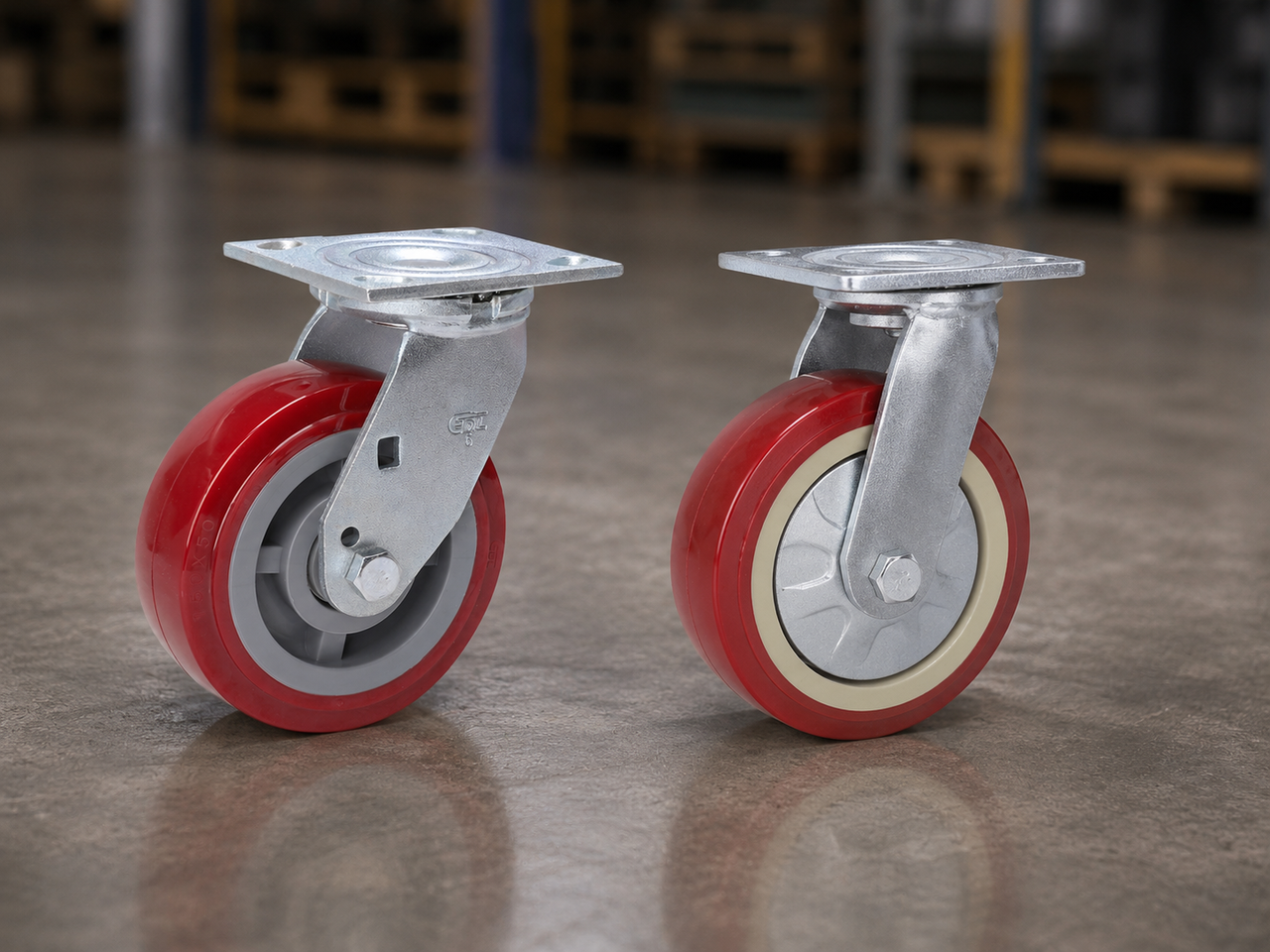
Why Do Similar Wheels Cost So Much More?
Many buyers face the same question when sourcing caster wheels: if two products are both called PP wheels, nylon wheels, or polyurethane wheels, why can their prices differ by 30%, 50%, or even 100%?
Is one supplier charging too much, or is another supplier offering an unusually low price? In many cases, the real reason is not the material name shown in the catalog, but the material behind that name.
A material name is only a general category. What truly determines the price and performance of a caster wheel is the material formulation, raw material quality, and manufacturing process behind the product.
Material name is only the starting point. Material formulation is where the real difference begins.
Material Name Does Not Mean Material Quality
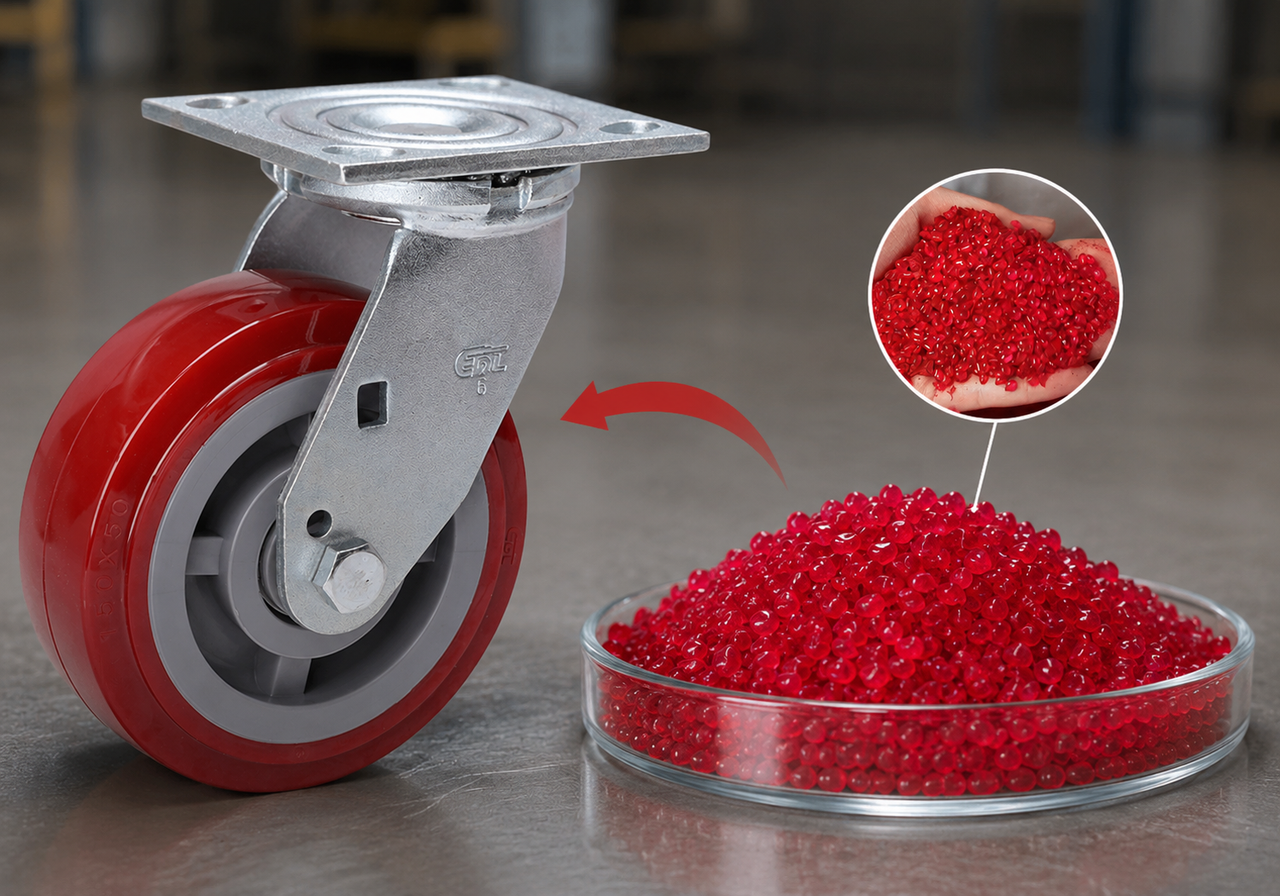
Most caster wheel treads are made from PP, PA nylon, PU polyurethane, or rubber. However, even when two wheels use the same material name, the actual raw materials used by different manufacturers may be very different.
Some manufacturers use a high percentage of virgin material to keep product performance stable. Others may add recycled material, reprocessed material, or low-cost fillers to reduce production costs.
From the product description, the wheel may still be called a nylon wheel, PU wheel, or PP wheel. But once the formulation changes, wear resistance, load capacity, impact resistance, and service life can all change as well.
Nylon Is the Best Example
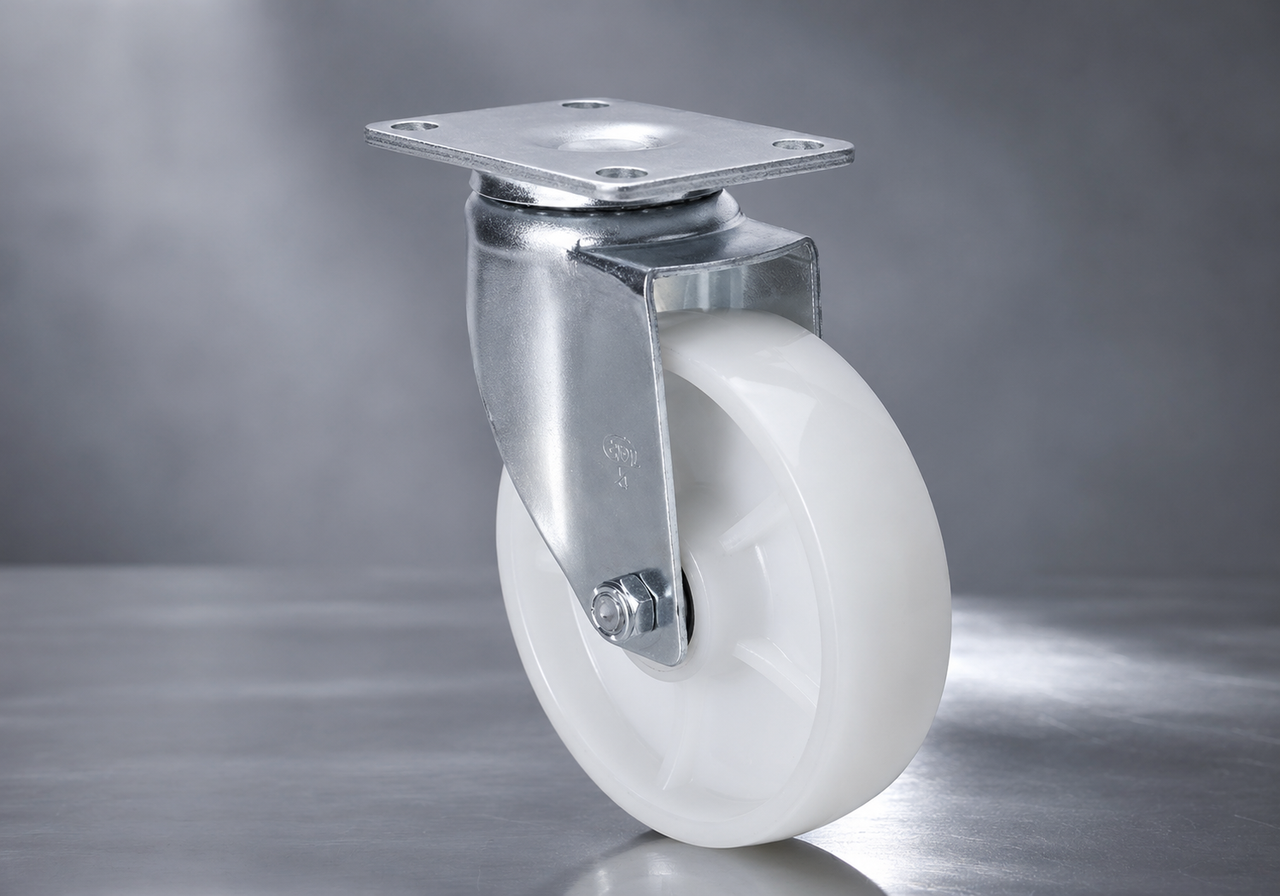
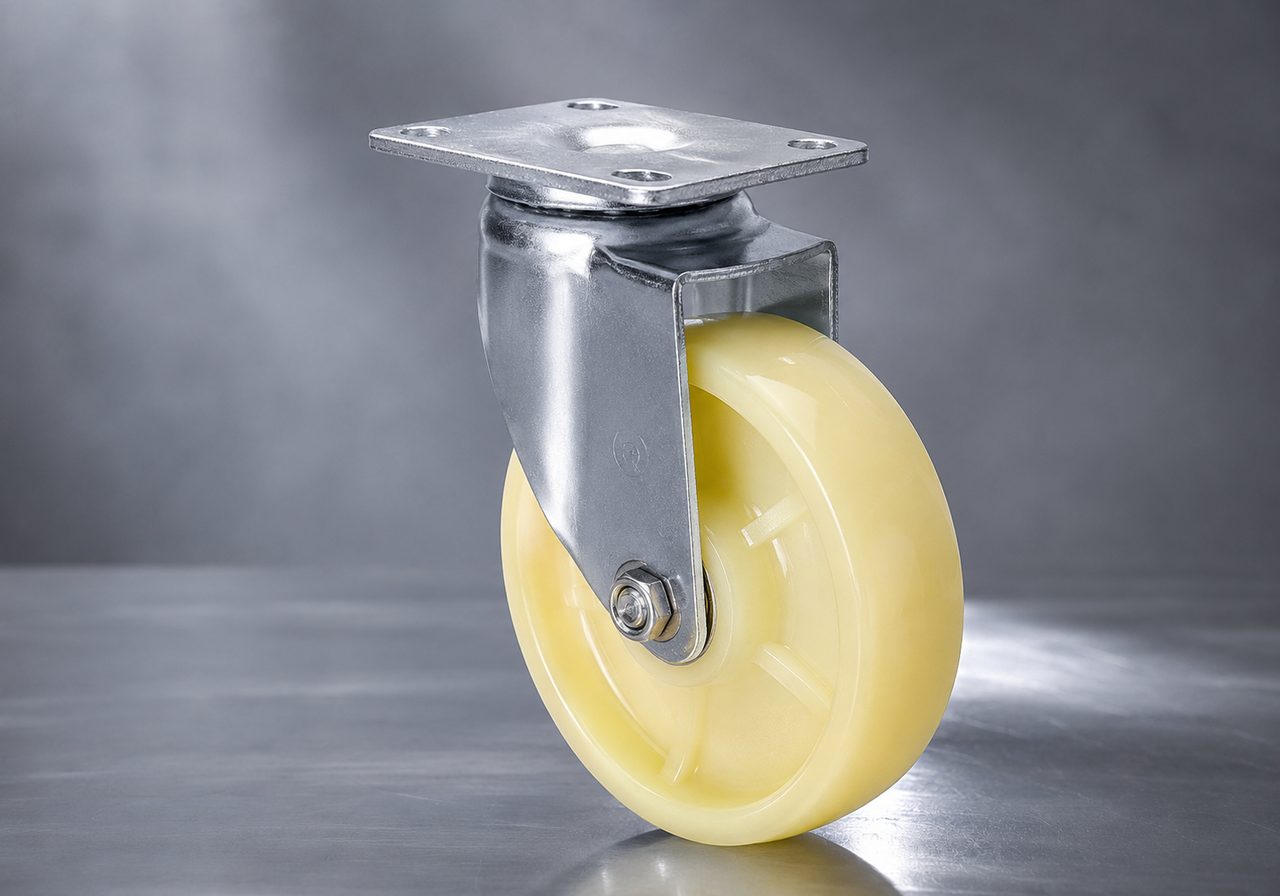
Among common caster wheel materials, nylon is one of the easiest examples to understand. Many buyers notice that nylon wheels on the market do not always have the same color.
Some nylon wheels have a clean and natural milky-white appearance, while others look yellowish or grayish. Virgin nylon raw material is naturally white.
When recycled material, reprocessed material, or other low-cost compounds are added, the wheel color may become darker or yellowish, and the surface gloss may also decrease. Color alone cannot fully determine quality, but it can help buyers make an initial judgment about the material system.
The Same Problem Exists in Every Material
Some buyers may think this only happens with nylon wheels. In reality, almost all common caster wheel materials can face the same issue. PP, PU, TPU, and rubber wheels may all use different formulations depending on the manufacturer’s product positioning and cost control strategy.
For example, two wheels may both be described as PU wheels. One manufacturer may use a higher-quality polyurethane system for better wear resistance, higher load capacity, and longer service life. Another manufacturer may use lower-cost raw materials or add more fillers to reduce the price. The product name may look the same, but the actual performance can be very different.
PP
Raw material grade and filler ratio can affect strength and toughness.
PU
Polyurethane systems affect wear resistance and load capacity.
TPU
Hardness, formulation, and processing influence rolling performance.
Rubber
Rubber formulation and vulcanization control affect elasticity and durability.
How Buyers Can Judge Material Quality
Most buyers do not have professional material testing equipment when they receive samples. However, several details can still help with an initial judgment.
✓
Check Color and Surface
Look at whether the wheel color is natural and consistent, and whether the surface has obvious black spots, impurities, bubbles, or flow marks.
✓
Ask About Virgin Material
Ask whether the supplier uses virgin material, whether recycled material is added, and whether there is a stable material control standard.
✓
Review Testing and Cases
Beyond material names, buyers should also check application cases, load testing, wear performance, and customer feedback.
✓
Think Beyond Purchase Price
The real cost of a caster wheel includes maintenance, replacement frequency, and hidden downtime costs, not only the purchase price.
Why EDL Uses Virgin Materials
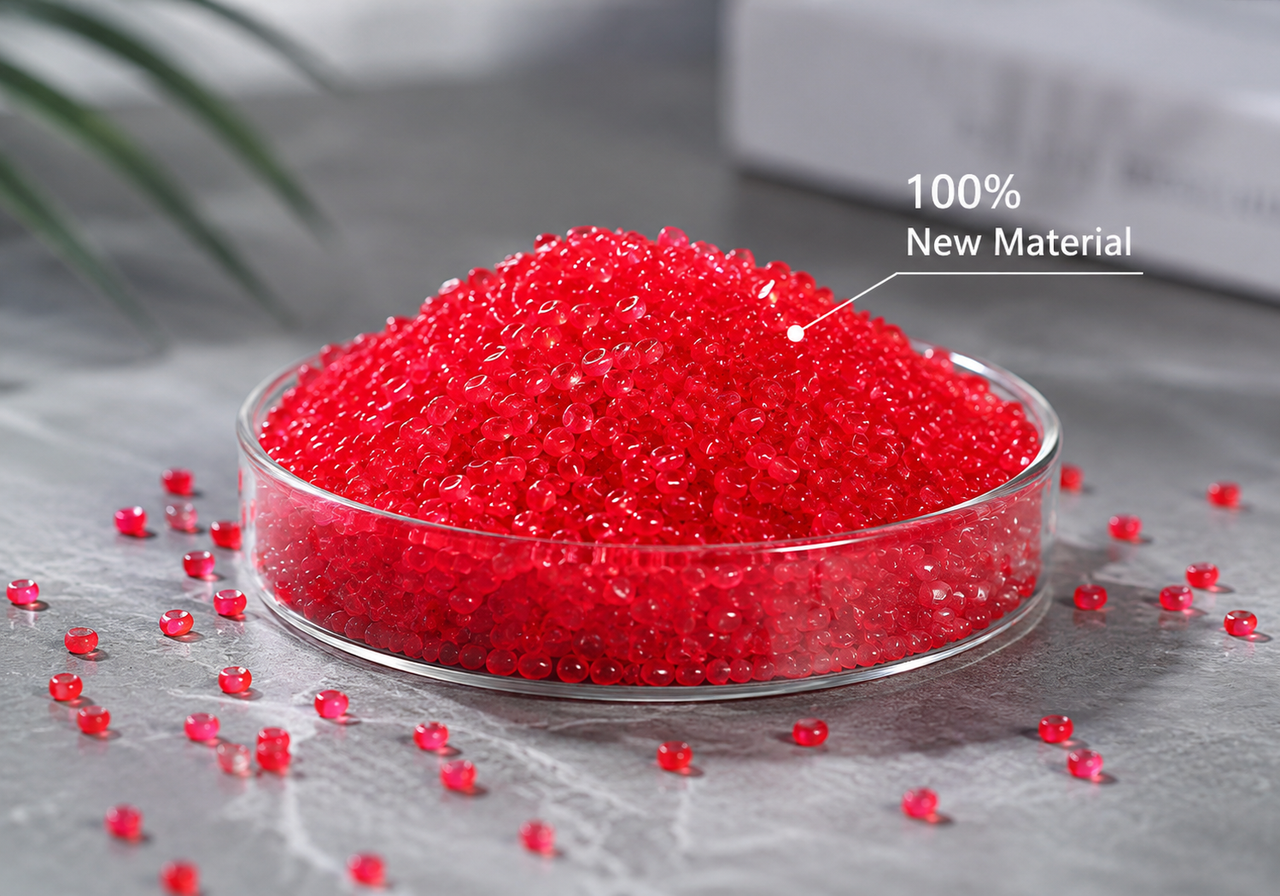
At EDL, we believe that caster wheel quality should start from the raw material. In the market, some products may use recycled material, reprocessed material, or low-cost fillers to reduce production cost. This may lower the price, but it can also affect wear resistance, load capacity, impact resistance, and long-term stability.
Therefore, EDL is committed to using virgin materials for our standard wheel compounds. We do not use recycled material to reduce product cost.
We also optimize formulations according to different applications. Some customers need better wear resistance, some need higher load capacity, and others care more about rolling resistance or impact strength. Instead of using one formula for every situation, we recommend a suitable material solution based on the real working condition.
Conclusion
The same material name does not always mean the same product quality. For caster wheels, material is only the starting point. The true value of a wheel depends on the raw material, formulation, production process, and quality control behind it.
The next time you compare two nylon wheels or polyurethane wheels with very different prices, it is worth asking the supplier one question: are they made with virgin material, or is recycled material added?
In many cases, the answer explains the real difference between price and performance.
Need Reliable Caster Wheels?
Contact EDL and tell us your application, load requirement, floor condition, and material preference. Our team can recommend a suitable wheel material and structure for your equipment.