Why Final Inspection Matters for Caster Wheel Quality
Caster Quality Control
Why Final Inspection Matters for Caster Wheel Quality
A caster may look simple, but its real quality depends on many details: rolling smoothness, brake function, bracket stability, assembly accuracy, and final consistency before shipment.
At EDL, every product must pass final inspection before leaving our factory.
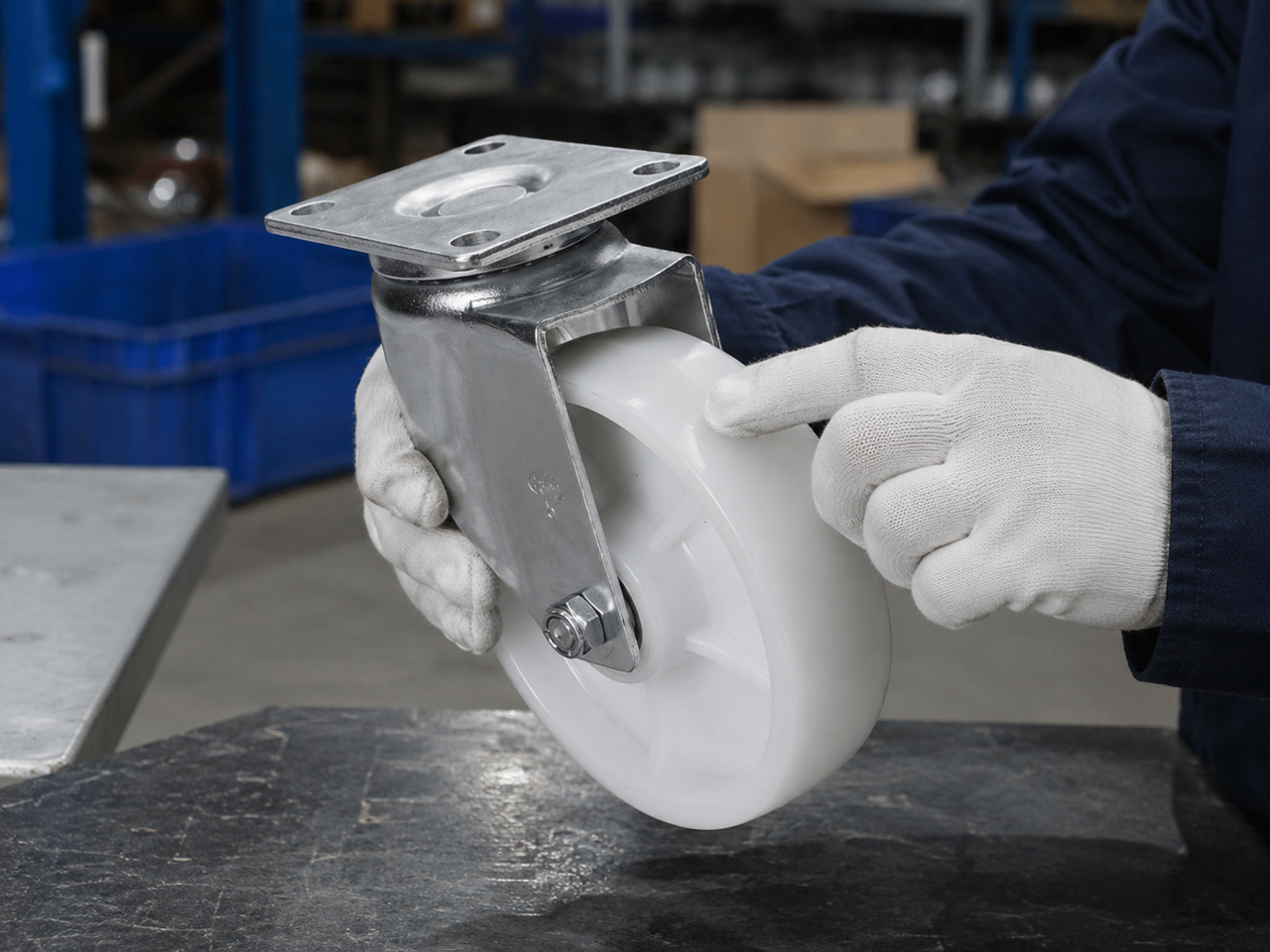
Why Final Inspection Is So Important
When buyers choose a caster supplier, they often compare price, delivery time, certifications, and load capacity. These are important, but one critical step is often overlooked: final inspection before shipment.
For industrial equipment, a caster does not only need to support weight. It must also roll smoothly, brake effectively, stay structurally stable, and perform consistently from one unit to another.
Without proper final inspection, even a well-designed caster may still cause problems after delivery because of assembly deviation, missing parts, brake inconsistency, or unexpected production defects.
Final inspection is the last quality gate before the product reaches the customer.
What Should Be Checked Before a Caster Leaves the Factory?
Final inspection is not just a quick visual check. A qualified caster should be reviewed from multiple angles before packaging.
✓
Rolling Smoothness
Check whether the wheel rotates smoothly, whether the bearing is properly installed, and whether there is abnormal resistance or noise.
✓
Brake Function
For brake casters, the brake must lock and release correctly. A brake structure is not enough; the locking effect must be confirmed.
✓
Structural Stability
The bracket, rivets, welding area, fasteners, and assembly clearance should be checked to ensure the caster is stable and reliable.
✓
Appearance Details
Inspect the wheel tread, plating surface, missing parts, scratches, bubbles, and visible defects before the product enters packaging.
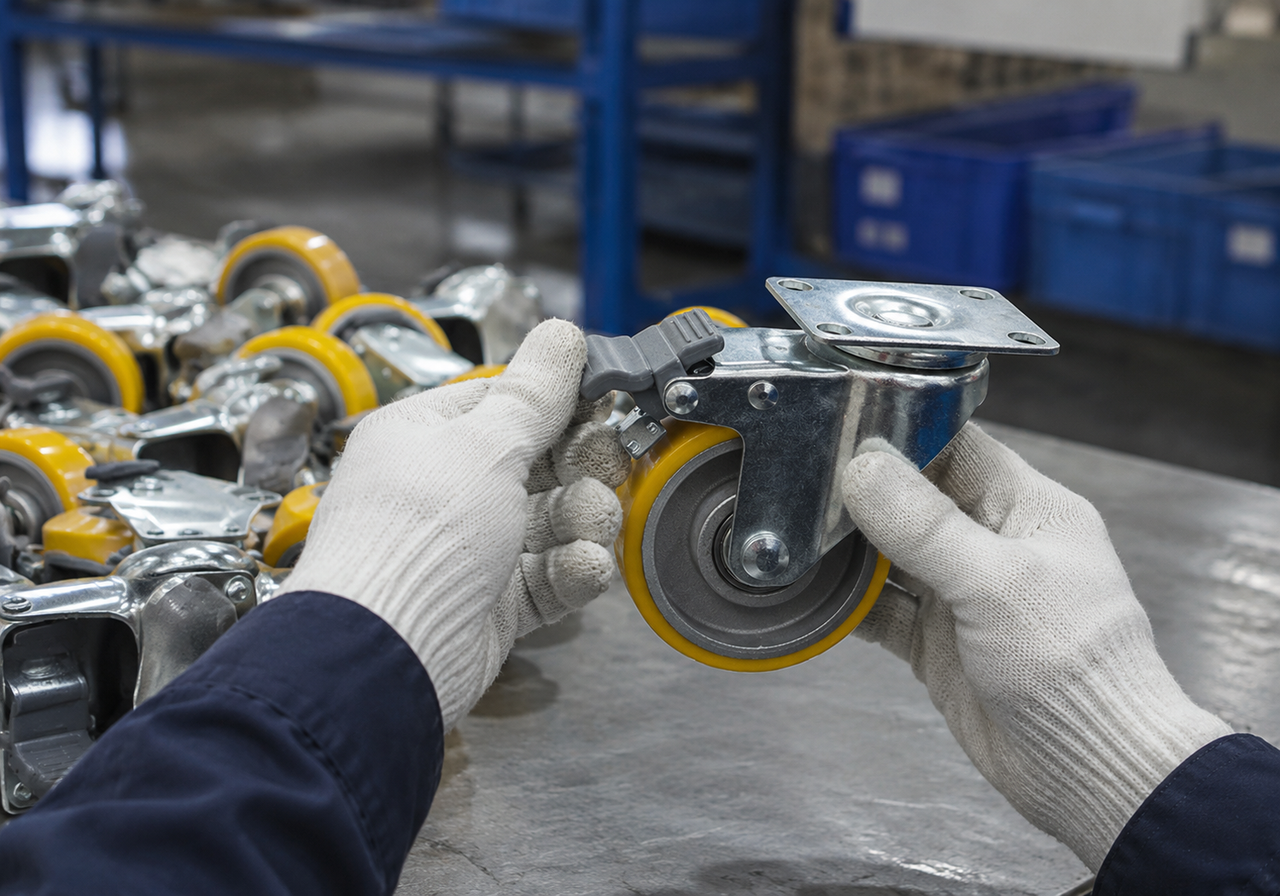
Why EDL Uses 100% Final Inspection
Some products can rely on sampling inspection, but industrial casters are directly installed on equipment. If one caster has a brake issue, rolling problem, or loose structure, the customer may need to stop installation, replace the part, or rework the equipment.
That is why EDL performs 100% final inspection for standard products before shipment. Each caster is checked manually to confirm that rolling performance, brake function, assembly stability, and appearance meet our delivery standards.
This process reduces the risk of receiving unstable products and helps customers use the casters directly after delivery.
Each Batch Comes with Inspection Records
In addition to product checking, EDL prepares inspection records before shipment. For every batch, we can provide an inspection report based on the actual inspection results.
This helps customers keep quality documents, review shipment quality, and trace product information when needed.
Product ModelConfirms which caster model was inspected.
Inspection QuantityRecords the checked quantity before shipment.
Inspection ItemsIncludes rolling, brake, structure, and appearance checks.
Inspection ResultProvides a clear delivery quality record for the batch.
A Small Inspection Detail Can Prevent a Big Problem
During one final inspection process, our team found that a small number of brake casters had slightly inconsistent pedal travel. The issue was not obvious from appearance, but it could affect the locking feeling after installation.
Instead of allowing the batch to ship directly, we rechecked the complete batch, adjusted the affected products, and performed a second inspection before packing.
As a result, the customer received casters with consistent brake performance and completed installation without delay. This is exactly why final inspection matters: it prevents small issues from becoming problems at the customer’s site.
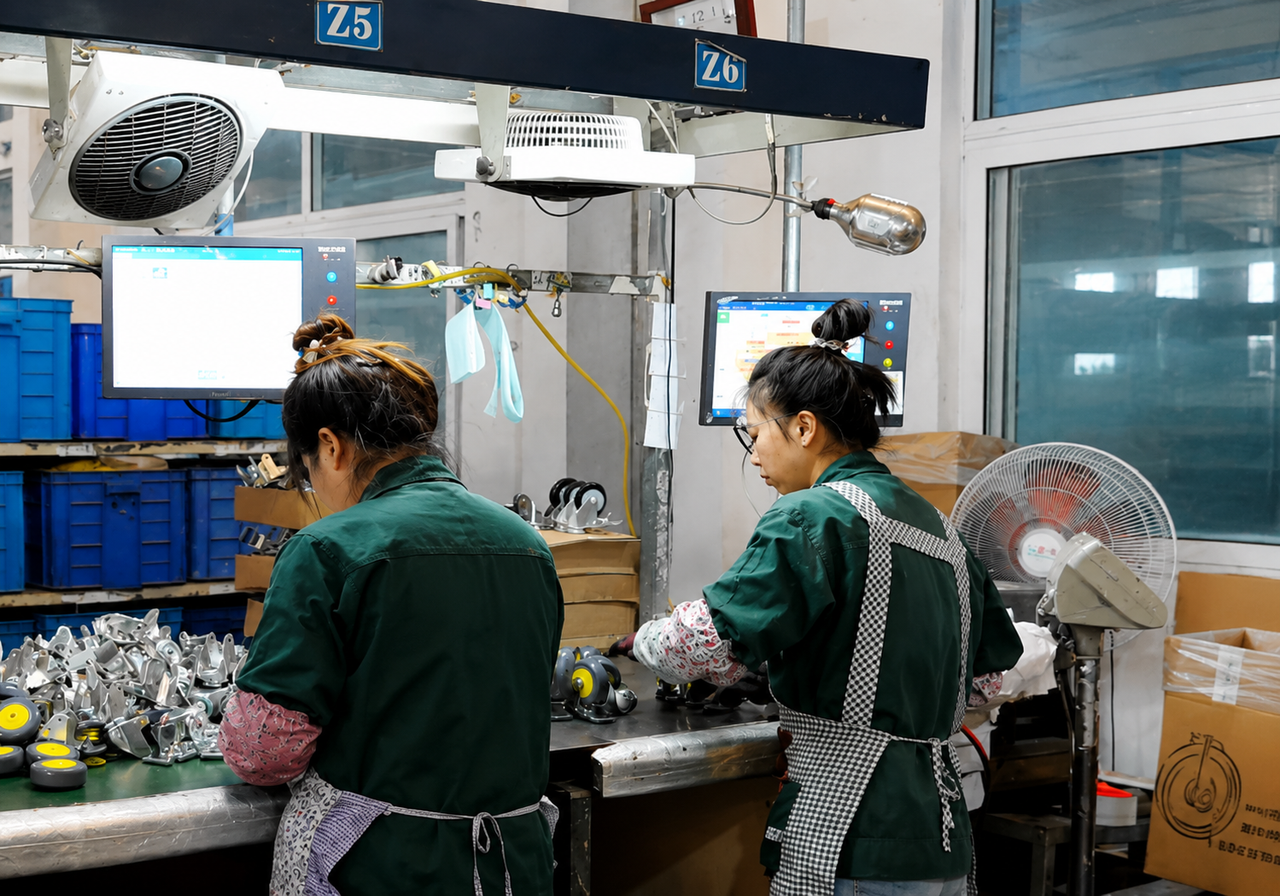
Quality Control Should Happen Before Delivery
Some suppliers believe that production is complete once the product has been assembled. At EDL, we believe the product is truly complete only when it can be received, installed, and used by the customer without unnecessary trouble.
Therefore, we place quality control before delivery. Every batch must go through final checking, and inspection records are created before shipment.
For us, reliable quality is not only about product design or material selection. It is also about making sure every caster delivered to the customer meets a stable and consistent standard.
Conclusion
Final inspection is one of the most important steps in caster quality control. It helps confirm rolling smoothness, brake effectiveness, structural stability, appearance consistency, and batch traceability before shipment.
For equipment manufacturers and industrial buyers, this means fewer installation issues, fewer unexpected replacements, and more confidence when using the products.
At EDL, we believe that quality should not be checked after the customer finds a problem. It should be controlled before the product leaves the factory.
Need Stable Caster Quality for Your Equipment?
Contact EDL and tell us your application, load requirement, brake type, and working environment. Our team can recommend suitable caster solutions with reliable quality control before shipment.